
Last updated November 15, 2026
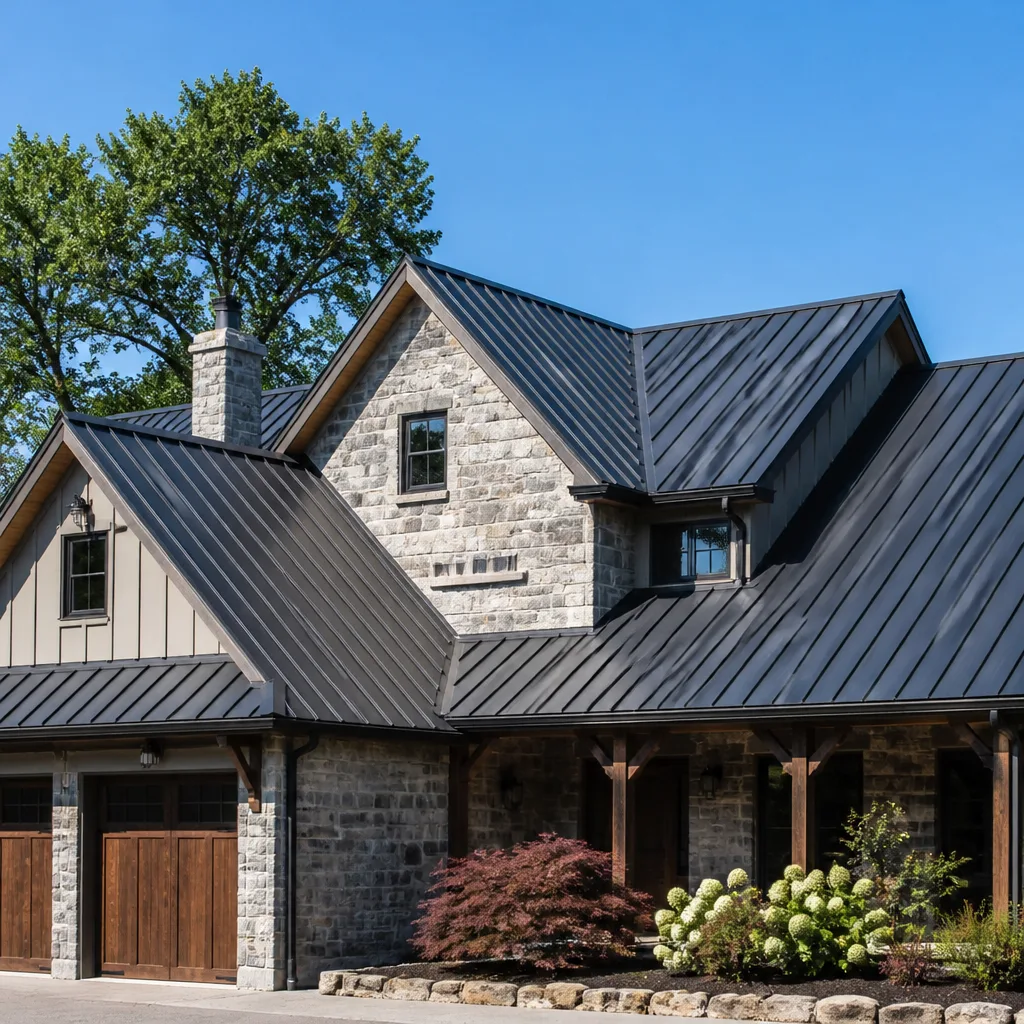 Metal roofing
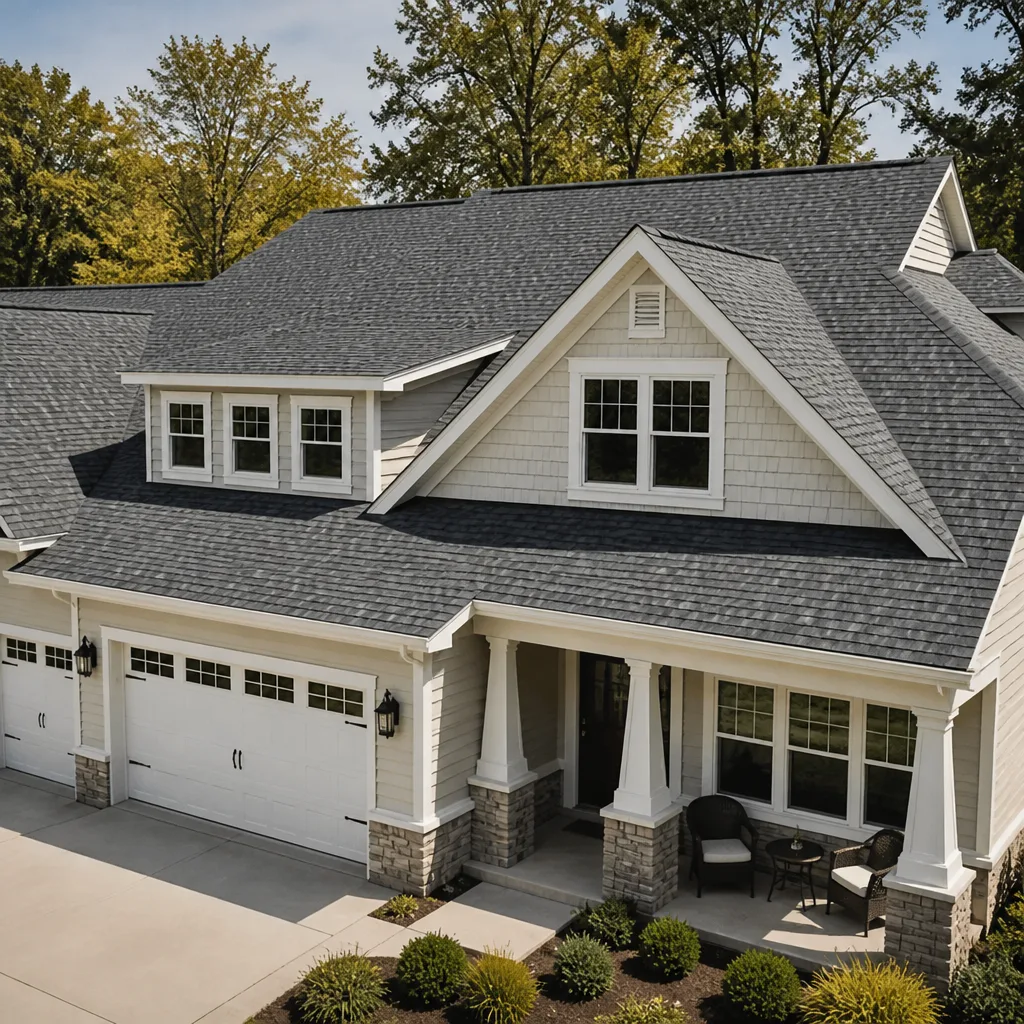
 Architectural shingles
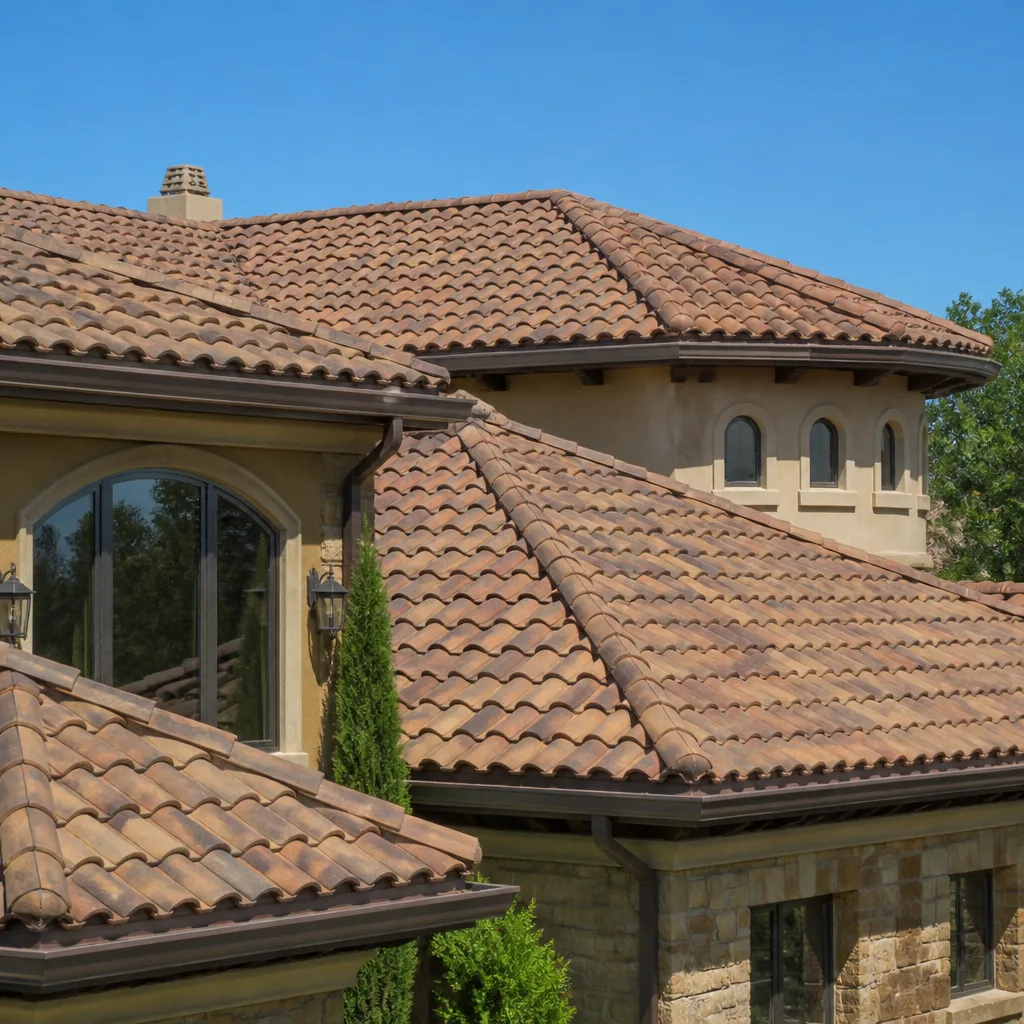 Tile roofing
 GAF
 Owens Corning
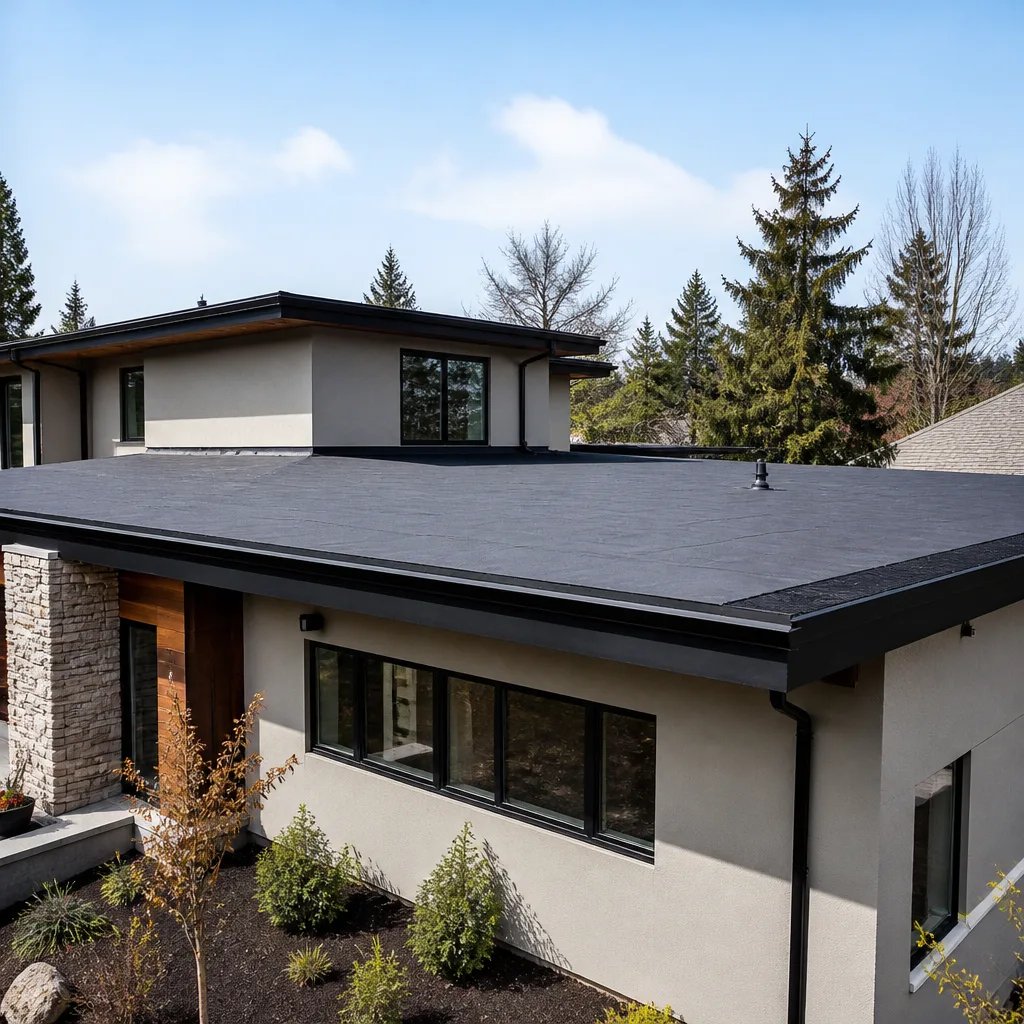 Flat & low-slope
Free roof inspection with deck photos before we talk money - GAF and Owens Corning certified installation
How to Hire a Roofing Contractor in Pompano Beach: A Step-by-Step Guide
After every named storm that crosses South Florida, roofing crews from out of state show up in Broward County looking for work. Many are unlicensed. Nearly all are chasing full replacement jobs, and some won’t tell you they’re legally barred from pulling the permits your roof needs. The standard advice to “get three quotes” doesn’t protect you from the most common hiring mistake here: picking a contractor who defaults to replacement because that’s where the margin is, not because your roof actually needs it. This guide walks you through verifying a license, asking the four questions that expose a replacement-only operation, and reading an estimate for red flags before you sign anything. We’ll show you how to hire a roofing contractor in Pompano Beach the way it should be done.
Quick Answer
To hire a roofing contractor in Pompano Beach, verify the contractor’s Florida license through the DBPR portal, confirm the license is active and not restricted, ask whether the company performs repairs or only replacements, demand a written line-item scope of work that includes the permit, and never pay a large deposit before work starts. Choose the contractor who diagnoses your roof before recommending anything, not the one who leads with a replacement quote.
Styles & brands we work with
- Architectural shingles
- Metal roofing
- Tile roofing
- GAF
- Owens Corning
- Flat & low-slope
Table of Contents
- Step 1: Verify the Contractor’s Florida License
- Step 2: Ask the Four Questions That Reveal a Repair-Capable Roofer
- Step 3: Get a Written Scope of Work, Not Just an Insurance Certificate
- Step 4: How to Read a Pompano Beach Roofing Estimate
- Step 5: Spot Storm Chasers Before They Cost You a Failed Inspection
- Step 6: Understand Your Material Options
- Common Mistakes to Avoid
- When to Call a Professional
Step 1: Verify the Contractor’s Florida License
The single fastest way to filter out unqualified roofers in Pompano Beach is to check the Florida Department of Business and Professional Regulation (DBPR) license lookup yourself. It takes about 90 seconds. A roofing contractor who can’t pass that check shouldn’t be on your property, let alone your roof.
Here’s how to do it:
- Go to the DBPR license search portal and select the license type for roofing contractors.
- Search by the company name and by the individual’s name if they give you one.
- Confirm the license status reads “Active.” An “Expired,” “Inactive,” “Delinquent,” or “Null and Void” status means they cannot legally contract roofing work in Florida.
- Check for any disciplinary actions or restrictions listed on the record.
- Confirm the license type covers the work you need, since a registered license is limited in scope compared to a certified license.
An expired license isn’t a clerical oversight you should wave through. It means the contractor stopped maintaining the credential that lets them pull permits and carry the legal responsibility for the work. If they can’t pull a permit, the inspection your roof needs after major work can’t happen, and you’re left holding the liability. A restricted or probationary license is a further warning. Ask directly what the restriction is and whether it affects residential roofing.
We tell Pompano Beach homeowners to check this before the estimate, not after. A contractor who knows the license lookup cold is usually a contractor who’s proud of their standing. One who dodges the question has told you something too. When you’re weighing Rutherford Roof Repair against another name, run both through the portal and compare.
Step 2: Ask the Four Questions That Reveal a Repair-Capable Roofer
Most roofing companies in Pompano Beach are built around replacement. That’s not a moral failing; it’s a business model. Replacement jobs are larger, easier to schedule, and easier to sell in a market where many roofs are approaching the end of their useful life. The problem is that a replacement-only company will recommend a replacement even when a targeted repair would buy you years. These four questions expose the difference before you spend a dollar.
- “Do you do repairs, or only full replacements?” A repair-capable contractor answers without hesitation and can talk through what a repair typically involves on your roof type. A replacement-only shop will steer the conversation toward a new roof within a minute.
- “Will you inspect and diagnose before recommending anything?” The right answer is a real inspection: an assessment of the deck, flashing, penetrations, and shingles, followed by an explanation. If the recommendation arrives before the inspection, you’re being sold, not advised.
- “Can you show me a repair estimate and a replacement estimate side by side, with the reasons for each?” A contractor who can’t or won’t put both options in writing is hiding the one they’d rather you didn’t see.
- “Who pulls the permit, and does it appear on the estimate?” Repairs beyond a certain scope and all replacements require permits in Broward County. A contractor who waves off permitting is either unlicensed or cutting corners that put you at risk.
We come at this from a specific place. Our name is Rutherford Roof Repair, and the repair-first stance isn’t a marketing line. A roof that needs flashing reworked or a handful of shingles replaced shouldn’t automatically become a five-figure replacement. Your roof may need less than you think, and the only way to know is to have someone diagnose it honestly. That’s what a proper roof repair evaluation should give you: a clear answer about what you actually need.
Step 3: Get a Written Scope of Work, Not Just an Insurance Certificate
A certificate of insurance matters, but it tells you only that the company carries coverage. It tells you nothing about what they’ll actually do on your roof. The document that protects you is the written scope of work, and Pompano Beach homeowners should treat it as non-negotiable before signing anything.
A scope of work should spell out, line by line:
- The exact material brand, product line, and color for shingles or tiles, not just “architectural shingles”
- Underlayment type and how it’s fastened
- Whether old material is removed and how many layers, or whether a layover is proposed
- Flashing replacement at valleys, chimneys, and wall intersections
- Decking repair allowance and how damaged decking is priced
- The permit line item, clearly stated
- The payment schedule and what triggers each payment
- The workmanship and manufacturer warranty terms in writing
The insurance certificate is a check on liability. The scope of work is a check on the job. A vague scope invites change orders, and change orders are where budgets go sideways. A precise scope with materials named, brands specified, and permit costs itemized lets you compare estimates apples to apples. That’s also where material choices enter the picture. We work with brands including Owens Corning, IKO, Atlas, and Tamko, and each one lands at a different price and warranty tier. Naming the product on the estimate is how your contractor commits to what they’re actually installing.
Step 4: How to Read a Pompano Beach Roofing Estimate
An estimate you can’t read line by line isn’t an estimate. It’s a number. Learning to read a roofing estimate is one of the most protective skills a homeowner can develop, and it takes one careful read to spot the usual problems.
Pompano Beach sits in a market where roofing demand spikes after storms and labor prices move with it. That makes comparing estimates trickier than in calmer markets. Lean on structure, not just the bottom line.
Red flags to watch for
- Vague material specs: “Shingles” with no brand, product line, or color means you don’t know what you’re buying.
- Missing permit line item: If permitting isn’t listed, the contractor may not be pulling one, which means no inspection and possible code problems later.
- Payment weighted toward the contractor: A large deposit upfront or full payment before work begins shifts all the risk to you. A schedule tied to milestones protects both sides.
- No waste or disposal line: Removing old material and hauling it off costs money, and a legitimate estimate shows it.
- Change-order language that’s open-ended: Decking damage is common and should be priced at a stated rate per sheet, not left blank.
- Ballpark warranty claims: “Industry standard warranty” means nothing. You want the manufacturer’s written terms.
Ask for a written line-item quote, and ask what’s excluded as carefully as what’s included. Confirm the permit price is spelled out and that the contractor will pull and pass the inspection. The written estimate is the final price, so if a line looks thin, ask before you sign. When you’re comparing a repair to a full roof replacement quote, put both in front of you and read them the same way.
Step 5: Spot Storm Chasers Before They Cost You a Failed Inspection
Storm chasers are the crews that arrive after a named storm, often from out of state, and disappear when the weather clears elsewhere. They show up in Broward County the way they show up everywhere storms make landfall. They’re not all unlicensed, but a disproportionate number are, and many are legally barred from pulling the permits your job requires.
The specific way storm chasers’ work fails in Pompano Beach usually comes down to code and inspection. A replacement done without a permit isn’t inspected. Fast, incorrect flashing and deck fastening might not leak in dry weather, but a South Florida rainy season finds the weak points quickly. Out-of-state crews don’t know local code requirements, and they aren’t around when the inspection happens or the warranty needs to mean something.
How to protect yourself:
- Ask for the DBPR license number and verify it while the contractor is standing in front of you.
- Ask for a physical business address and a local phone number you can call in a month.
- Confirm the estimate shows the permit and that the contractor will handle the inspection.
- Be wary of anyone who suggests skipping the permit to save money or time.
- Never sign a contract the same day an unsolicited crew approaches you after a storm.
A local contractor invested in the Pompano Beach community has a reputation to keep. That doesn’t automatically make them right for the job, but it means your warranty and your inspection have somewhere to go. Our own work runs across Pompano Beach, and the roofs we get called back to fix most often are the ones a fly-by-night crew did without a permit.
Step 6: Understand Your Material Options
The material conversation is where a good contractor separates themselves from a bad one. A single-brand shop has one answer to every roof. A contractor with access to a broad brand portfolio can match the product to your roof, budget, and style instead of matching you to whatever they stock.
The major shingle and tile brands you’ll encounter in Pompano Beach include GAF, CertainTeed, Owens Corning, IKO, Atlas, Tamko, and Boral. These span premium lines, value-tier products, and specialty tile options. That spread matters:
- Premium lines from brands like Owens Corning and CertainTeed offer longer warranties and heavier shingles suited to a long-term home.
- Value-tier products from brands like Tamko and IKO give you a solid roof at a lower price point, which matters when the job is a repair you’re extending rather than a replacement.
- Specialty tile options from Boral fit homes with architectural styles that call for tile rather than asphalt shingle.
The right brand depends on your roof, not on the contractor’s margin. Ask why a specific product was chosen for your home and what a comparable product from a different brand would cost. A contractor who can answer that clearly is working for you. A contractor who can’t is working for the sale.
Do You Need a Permit for Roofing in Pompano Beach?
Most roof replacements and many larger repairs in Pompano Beach require a permit, and you should assume yours does until you confirm otherwise with the city’s building department. Permitting exists so the work gets inspected, and the inspection is your protection against a roof that looks fine but fails at the first serious rain.
Here’s what the permit conversation should look like:
- The permit is a line item on your written estimate, with the cost stated.
- The contractor pulls the permit, not you.
- The contractor explains what the inspection will cover.
- You receive confirmation the inspection passed before the job is closed out.
A contractor who skips the permit to save you money is handing you the risk. Unpermitted work can complicate a future home sale, may void manufacturer warranties, and leaves you responsible for anything the inspection would have caught. Ask directly: “Will you pull the permit and pass the inspection?” The answer tells you most of what you need to know about the contractor.
See the difference
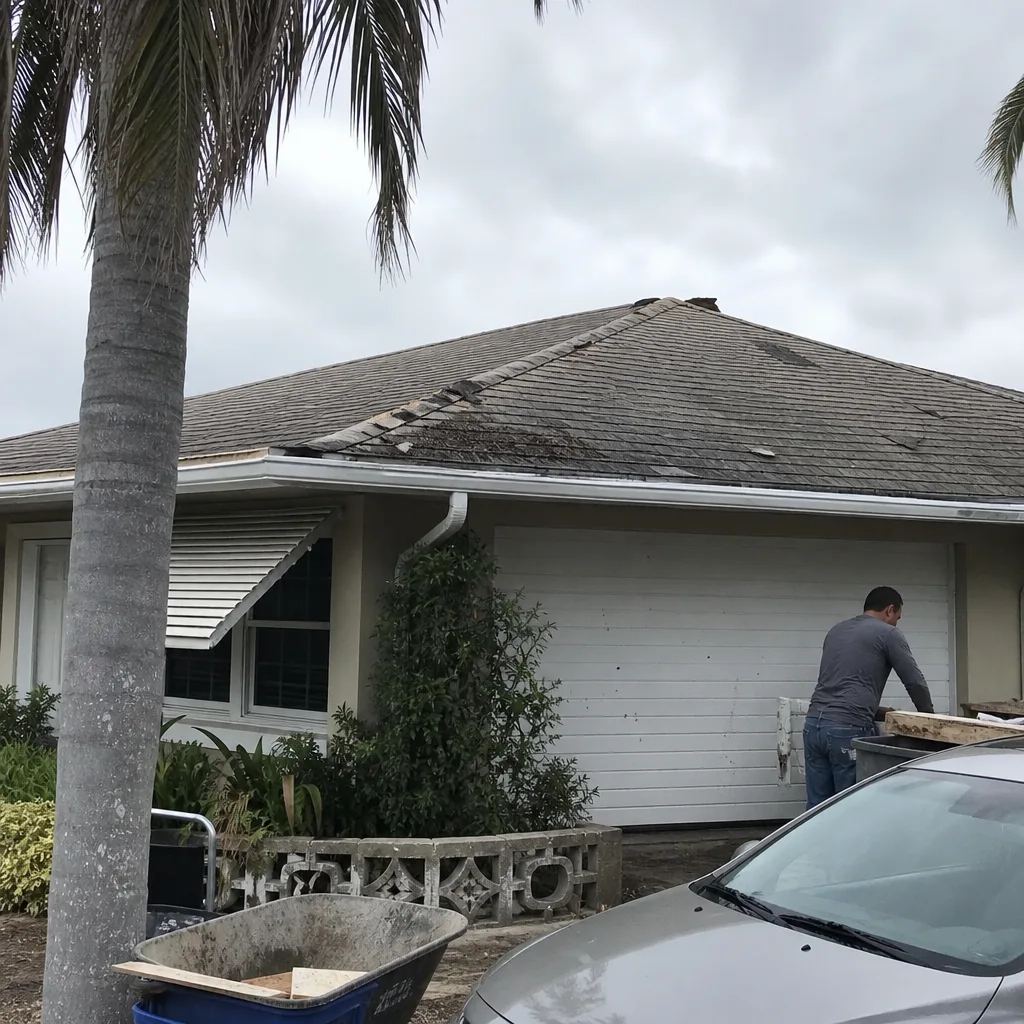 Before
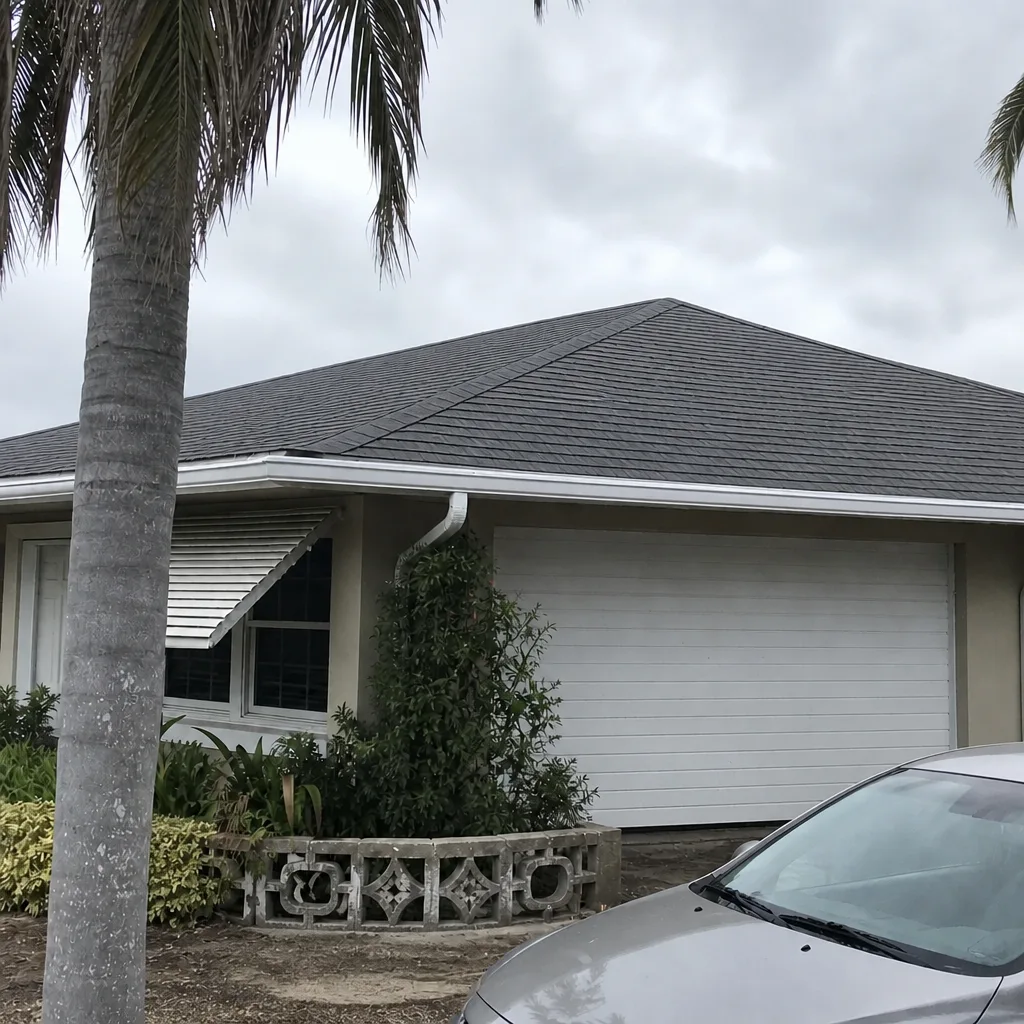 After
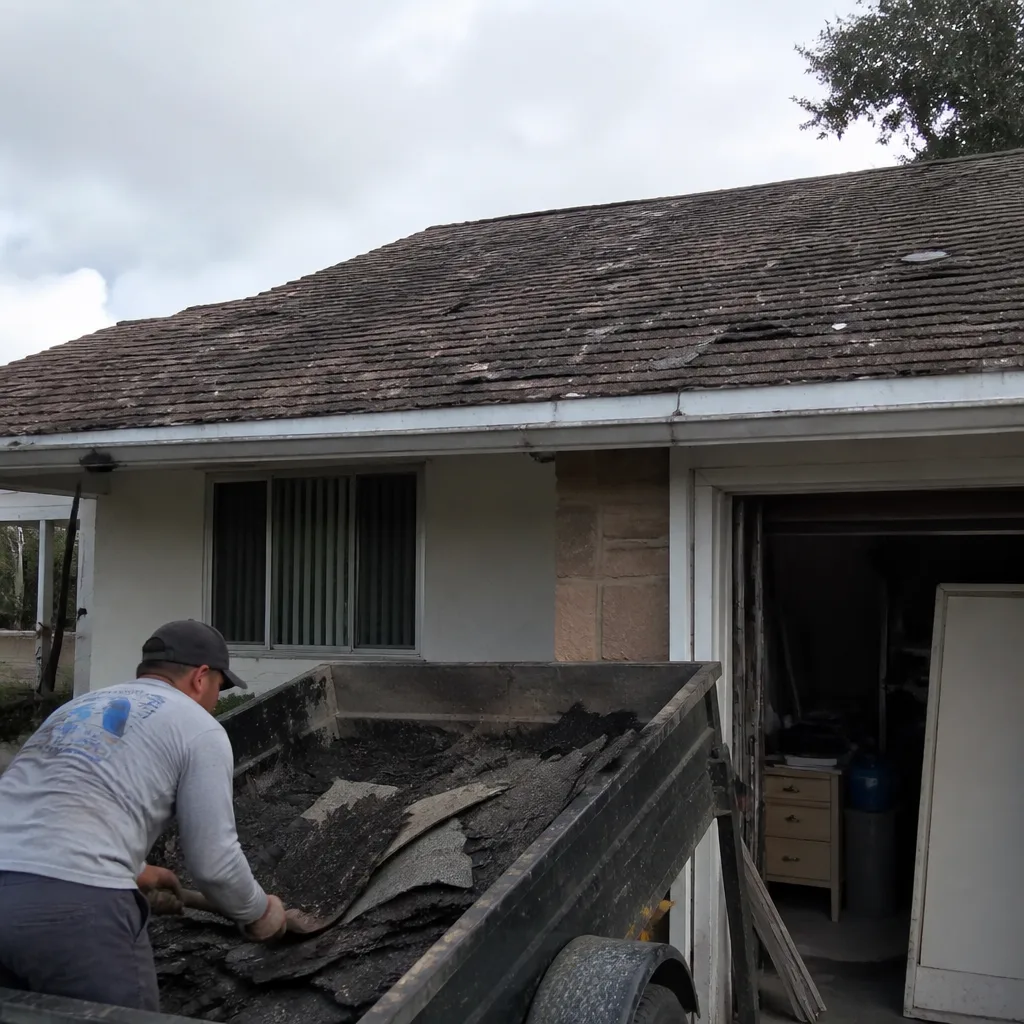 Before
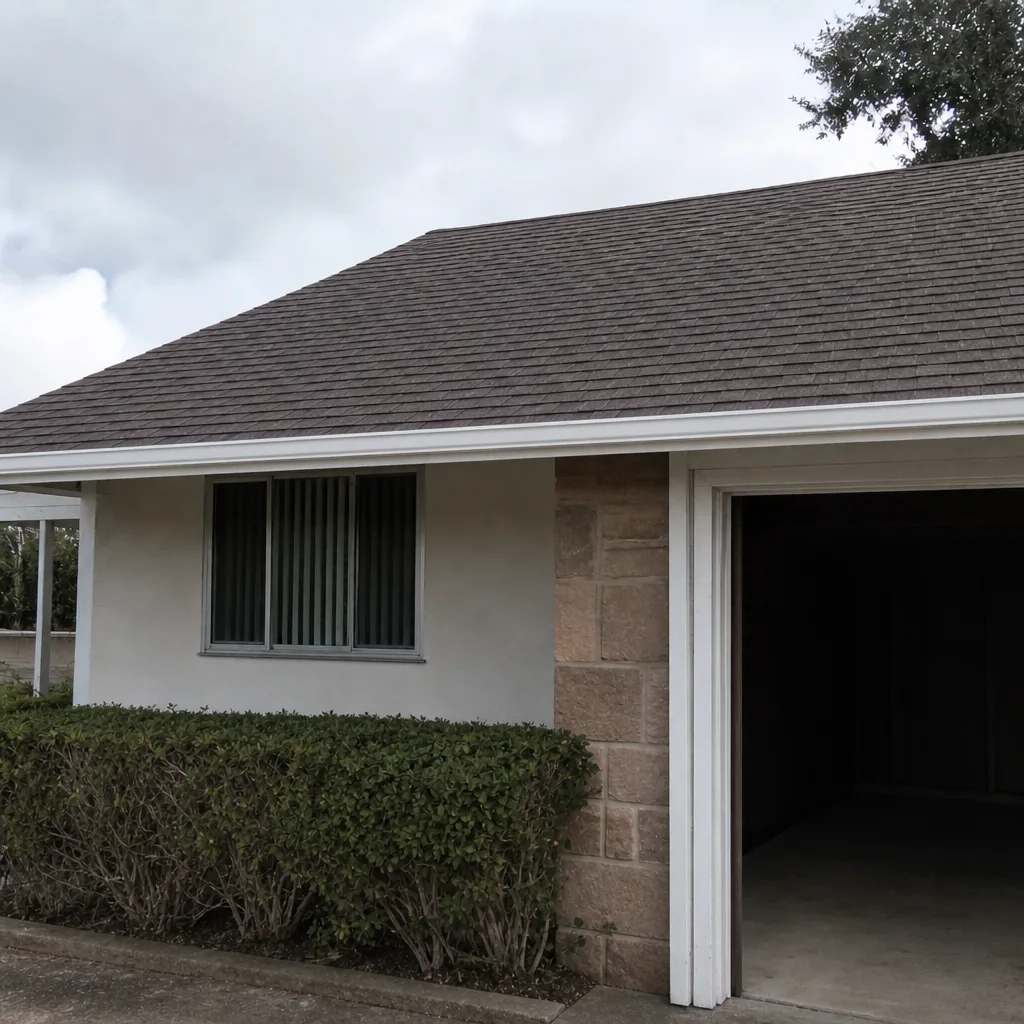 After
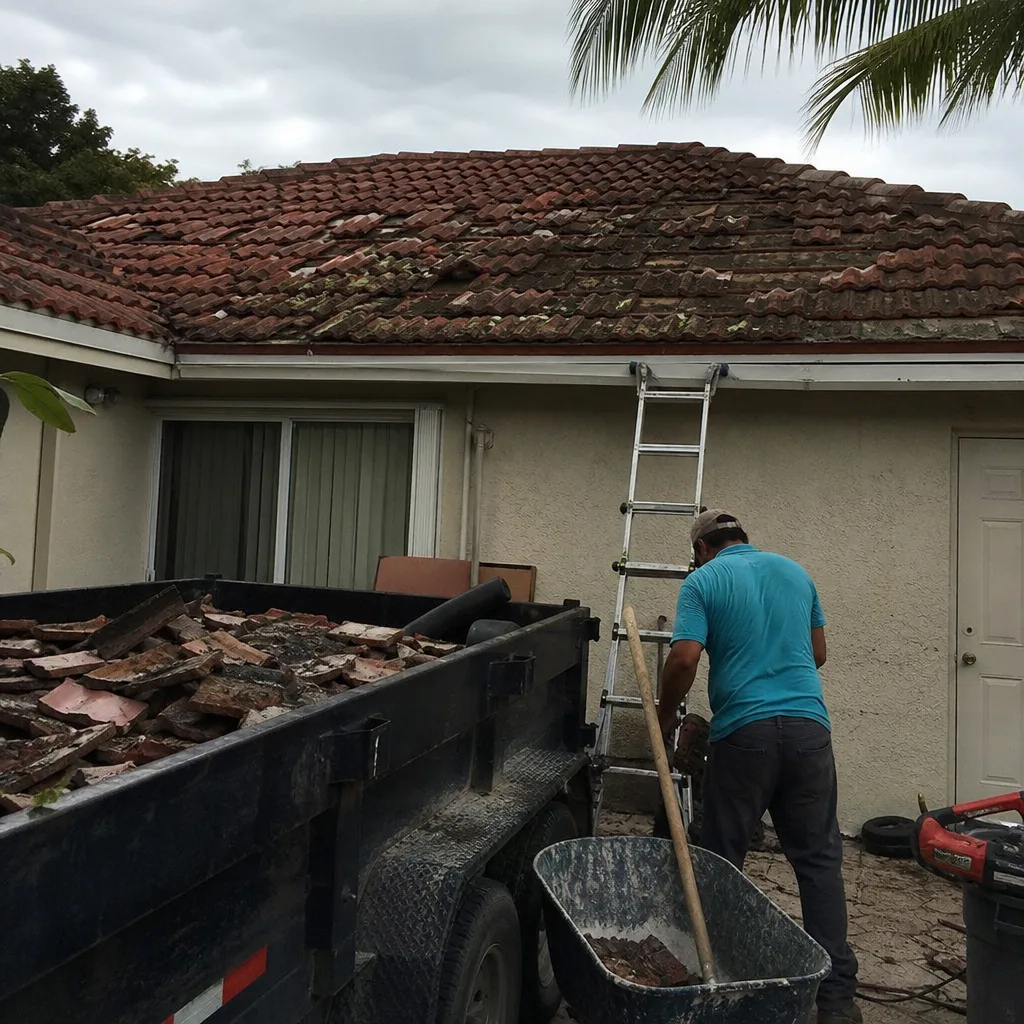 Before
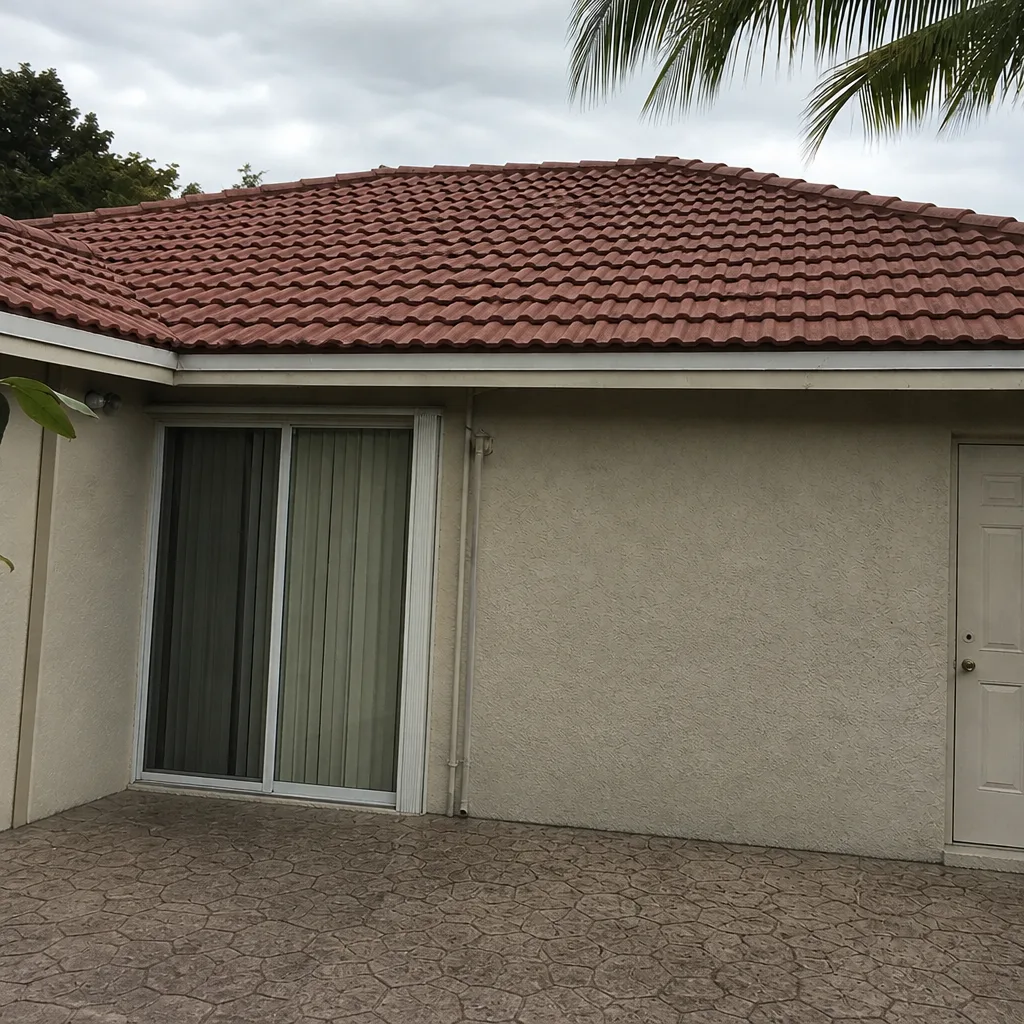 After
How Do You Compare Roofing Estimates Fairly?
Comparing estimates fairly means comparing what’s actually specified, not just the bottom line. Two estimates that look ten percent apart can be worlds apart in materials, scope, and what happens when the roof fails in five years.
Line up your estimates side by side and check the following for each:
- Material brand and product line, named specifically
- Underlayment type and fastening method
- Flashing replacement included or excluded
- Decking repair priced at a stated rate
- Permit line item and who pulls it
- Payment schedule and trigger points
- Workmanship and manufacturer warranty terms
- Dumpster and disposal costs included
The cheapest estimate is often the one that leaves out the most. A quote that doesn’t include flashing or permits will grow once work starts. Ask every contractor what’s excluded as well as what’s included, and get the answer in writing. The written estimate should set the final price, and any legitimate contractor will be able to stand behind theirs line by line.
Repair or Replace: How Should You Decide?
Repair versus replace comes down to the roof’s age, condition, and how much of it is failing. A roof with a handful of damaged shingles, a leak at a single penetration, or worn flashing around a chimney is usually a repair. A roof that’s at the end of its service life, has widespread shingle failure, or keeps springing new leaks is a replacement candidate.
A diagnosis should answer three questions:
- How old is the roof, and how much life does the material have left? A professional inspection estimates remaining service life based on condition, not just age.
- Is the damage localized or widespread? A leak in one spot is a repair. Shingle failure across multiple slopes usually points to replacement.
- What’s the cost of repair versus replacement over the next few years? If repeated repairs over several years approach the cost of a replacement, replacement is the smarter money.
The right answer is the one the roof earns. We’ll tell you when a repair will genuinely extend your roof’s life, and we’ll tell you when replacement is the honest call. Either way, you get the reasoning, not just the recommendation. That’s what a roof inspection is for: it’s the diagnostic step before any money changes hands.
Common Mistakes to Avoid
- Hiring on the doorstep after a storm. An unsolicited crew that shows up after a named storm is the highest-risk contractor you’ll ever encounter. Verify the license and get the scope in writing before you let anyone up on your roof.
- Skipping the DBPR check. A disappointing number of Pompano Beach homeowners never look up the license until something goes wrong. Check it in 90 seconds and confirm the status is active.
- Accepting a replacement quote without a repair quote. If a contractor only offers a replacement option, you haven’t been shown the full picture. Ask for both in writing.
- Signing a scope that names no materials. “Architectural shingles” with no brand or product line means you’re paying for a roof you can’t specify. Demand the product name.
- Allowing the permit to be dropped. A contractor who offers to skip the permit is offering to skip the inspection. That’s a problem you inherit, not the contractor.
- Paying a large deposit upfront. A payment schedule weighted toward the contractor before work begins shifts all the risk to you. Tie payments to milestones and inspect the written schedule.
- Trusting a vague warranty. Ask for the manufacturer’s written terms and the workmanship warranty in writing. If it isn’t documented, it isn’t a warranty.
When to Call a Professional
Call a roofing professional in Pompano Beach when you notice a water stain on the ceiling, missing or granule-worn shingles, a leak around a chimney or skylight, or a sagging roofline. Call after a significant storm if you can see lifted shingles, dents, or debris contact. Call if you’re not sure your roof would pass an inspection, or if you’re weighing a repair against a replacement and want an honest diagnosis first. Roof work involves height, and a slip on a wet South Florida roof can turn a minor repair into a major injury. Diagnosing the problem and pulling the permit are jobs for a licensed professional, not a ladder and a weekend.
Rutherford Roof Repair offers free estimates in Pompano Beach – call (888) 361-4813. We answer 24/7, and fast dispatch runs from 7am to 7pm, Sunday through Friday.
Frequently Asked Questions
Verify a roofing contractor’s license through the Florida DBPR license search portal by searching the company or individual name and confirming the status reads “Active.” An expired, inactive, or restricted status means they cannot legally contract the work. Do the check yourself in about 90 seconds before you sign anything. Call (888) 361-4813 for a free estimate from a licensed professional.
The cost depends on the scope, materials, and whether the job is a repair or a replacement, so the honest answer comes from a written estimate. A targeted repair costs far less than a full replacement, and the materials you choose affect the price significantly. Get a written line-item quote before you commit. Call (888) 361-4813 for an exact quote – estimates are free.
A written estimate should set the final price, and a legitimate contractor stands behind it line by line. The one common exception is decking damage discovered once old material comes off, which should be priced at a stated rate per sheet in the estimate. Ask about the decking rate before you sign. Call (888) 361-4813 to get a written scope of work and a fixed price.
Yes, the contractor should pull the permit, and the permit cost should be a line item on your written estimate. Most roof replacements and many larger repairs in Pompano Beach require a permit and inspection. A contractor who offers to skip the permit is offering to skip the inspection. Call (888) 361-4813 to schedule a free estimate.
A roof replacement typically takes a few days, and the exact timeline depends on the roof’s size, pitch, material, and complexity. A contractor should give you a timeline in the written scope based on your specific roof. Ask the question and get the answer in writing before work starts. Call (888) 361-4813 to schedule your free estimate.
Many roofs can be repaired instead of replaced when the damage is localized, such as a leak at one flashing point or a handful of damaged shingles. A professional inspection tells you whether a repair will extend the roof’s life or whether replacement is the smarter money. Ask for a repair quote and a replacement quote side by side. Call (888) 361-4813 to have your roof diagnosed for free.
The Bottom Line
Hiring a roofing contractor in Pompano Beach comes down to one question: does this roofer diagnose before they sell? Verify the license through the DBPR portal, ask whether they do repairs or only replacements, demand a written line-item scope that names materials and includes the permit, and read the payment schedule carefully. Avoid storm chasers and anyone who skips the permit. A repair-first contractor shows you both options and explains why, so your roof gets what it needs and your wallet gets a fair deal. That’s the standard to hold every contractor to.
Ready to get an honest diagnosis on your roof? Call (888) 361-4813 for a free estimate. We answer 24/7. Fast dispatch from 7am to 7pm, Sunday through Friday. From an inspection to a full replacement, we handle every stage of your roof’s life, and we repair first – replacement is only recommended when it’s genuinely the right answer.
Written by the team at Rutherford Roof Repair.