
Last updated November 15, 2026
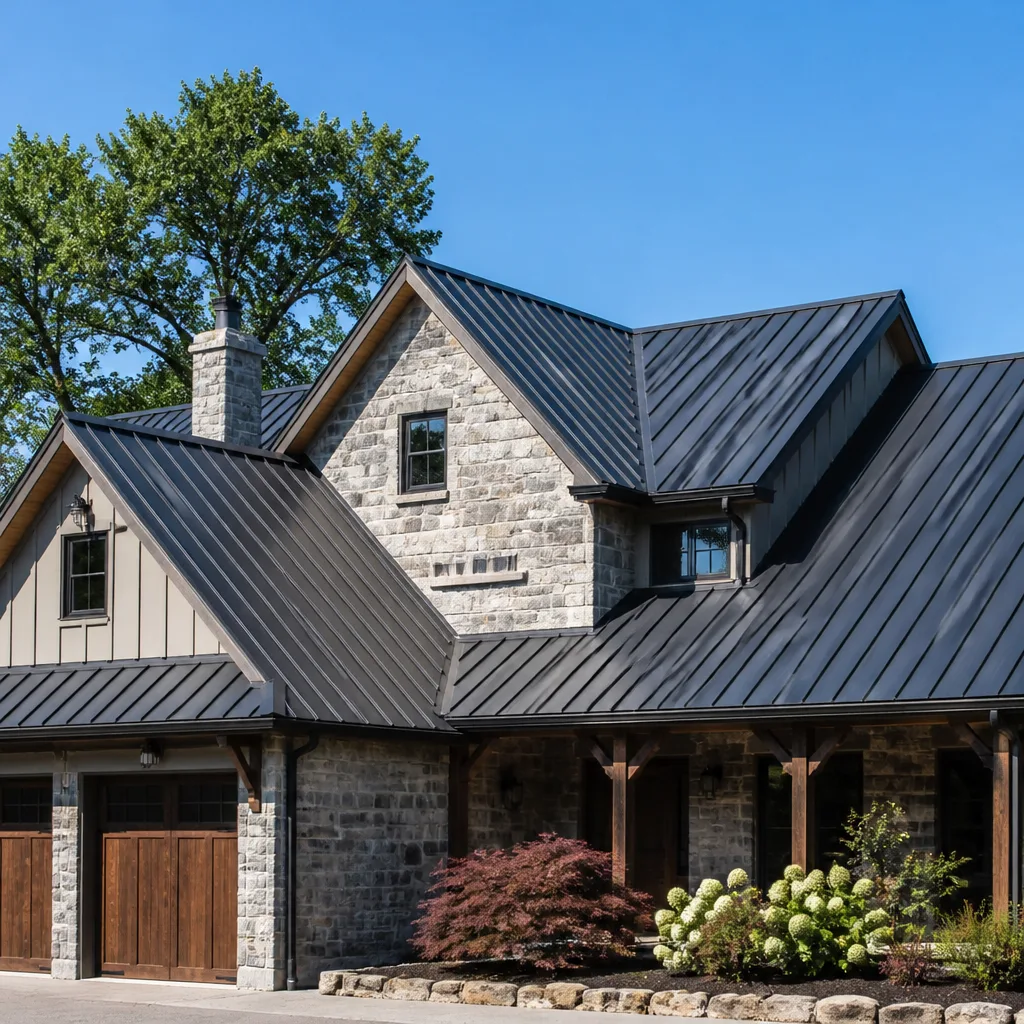 Metal roofing
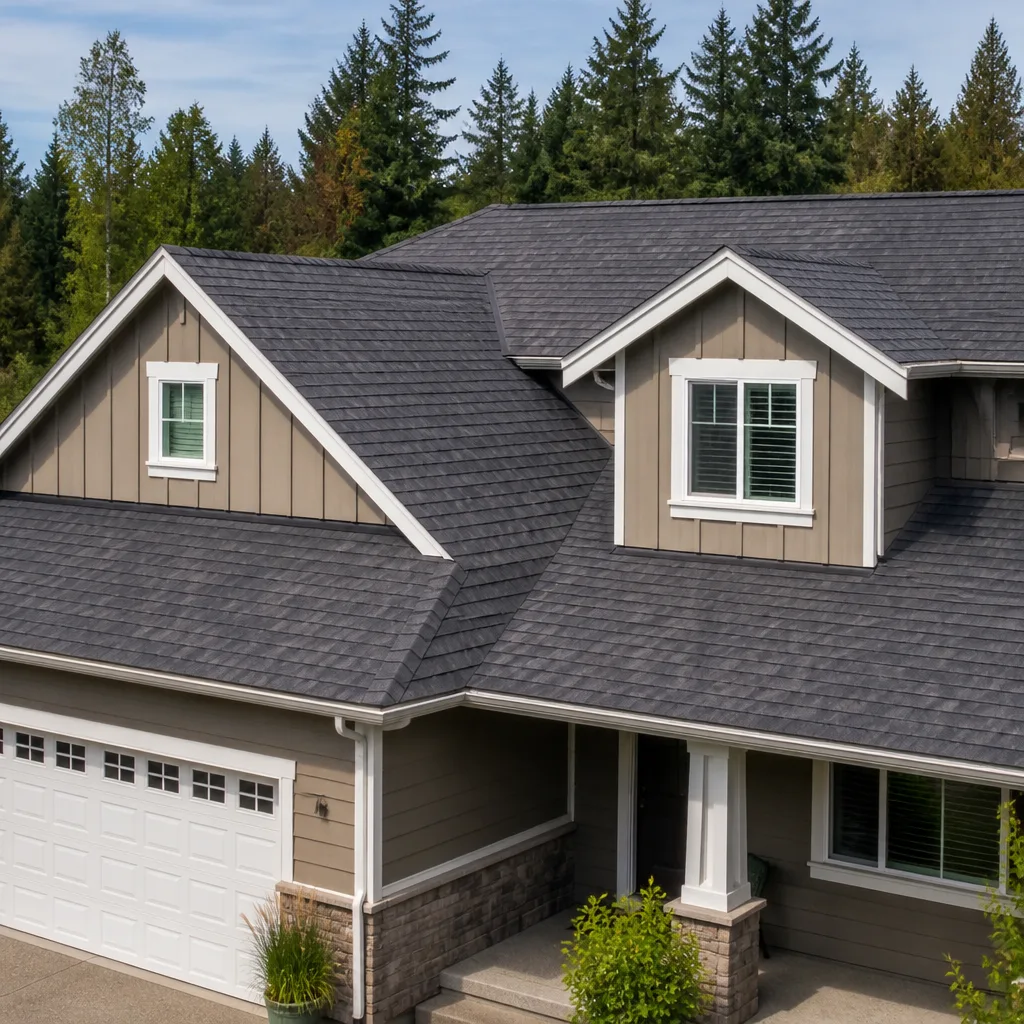 Architectural shingles
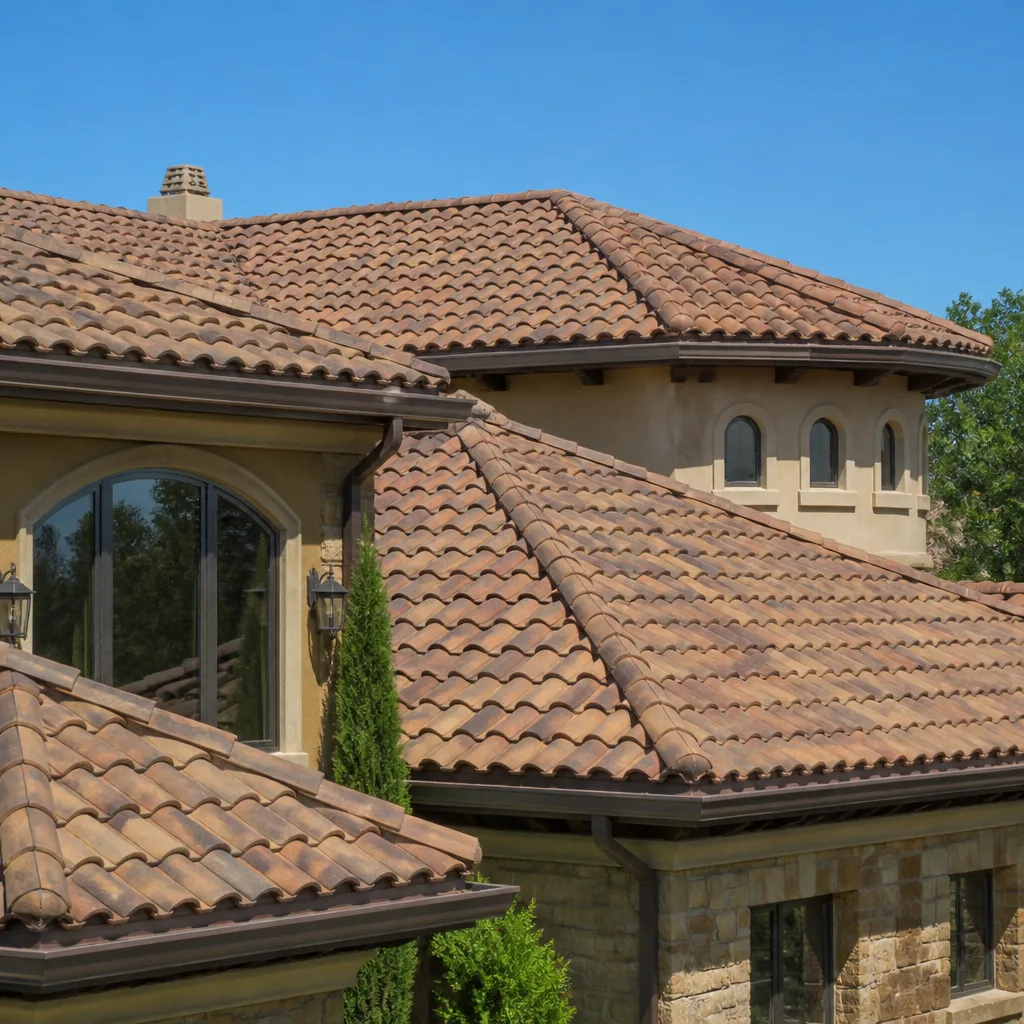 Tile roofing
 GAF
 Owens Corning
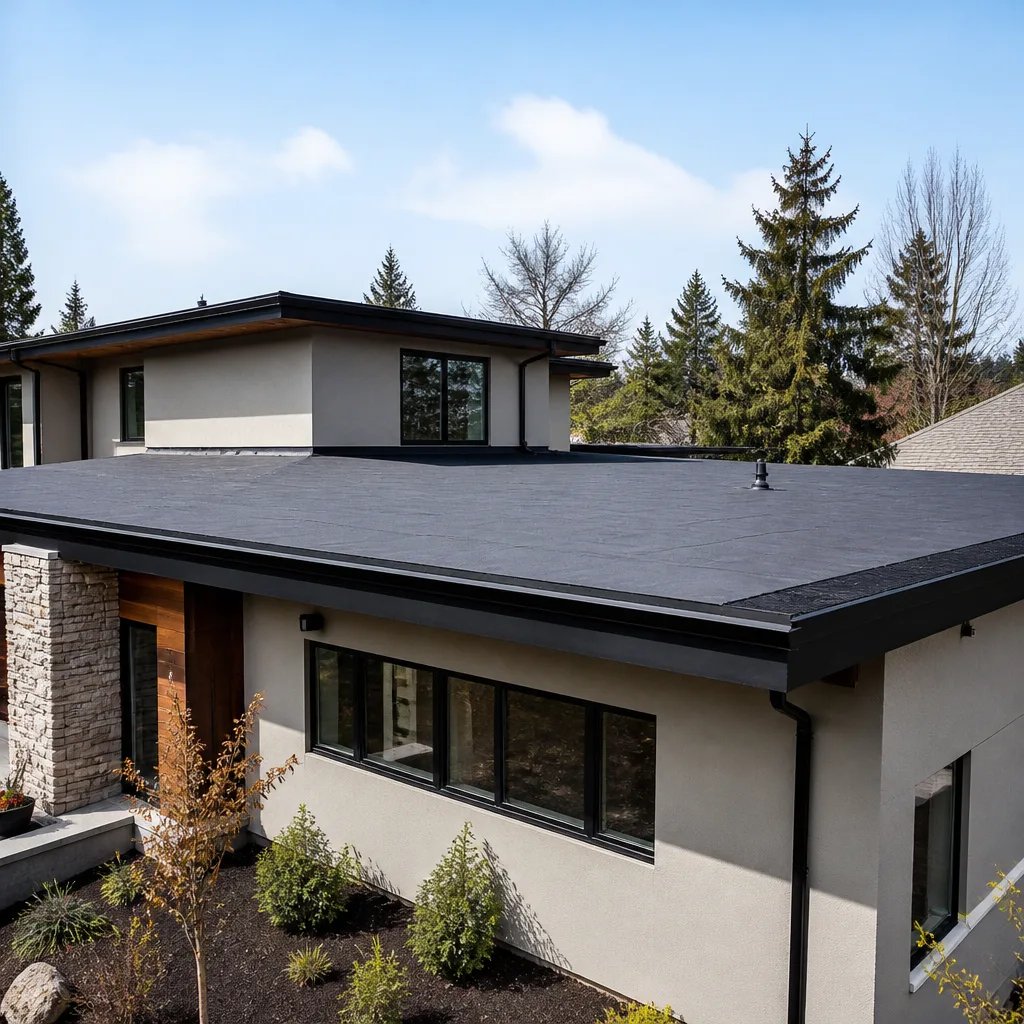 Flat & low-slope
Free roof inspection with deck photos before we talk money - GAF and Owens Corning certified installation
Roofing Permits, Codes & Inspections in Pompano Beach, FL: What You Need to Know
Most homeowners think of a roofing permit as paperwork – a box to check before the real work starts. In Pompano Beach, the permit is the work. It’s the mechanism that puts an inspector’s eyes on your roof at the moments that matter, and it’s the evidence trail your insurer reads after a storm. A roof can look perfect and still fail a claim because nobody pulled the permit. We’ve seen the panic that follows. This guide walks through which scopes need a permit in Pompano Beach, how the Florida Building Code’s hurricane-zone rules apply, what the inspection stages actually look like, and what to ask your contractor to prove they’re doing it right.
Quick Answer
Roofing permits in Pompano Beach are required for full replacements and for most repairs beyond minor maintenance patching, and the work must meet the Florida Building Code’s High-Velocity Hurricane Zone provisions that govern Broward County. Permit records are also what insurers check when you claim a wind mitigation credit or file a storm claim, so skipping the permit can cost you the credit and complicate the payout. A licensed contractor pulls the permit, calls the inspections at each stage, and hands you the final closing documentation.
Styles & brands we work with
- Architectural shingles
- Metal roofing
- Tile roofing
- GAF
- Owens Corning
- Flat & low-slope
Table of Contents
- Which Roofing Jobs Need a Permit in Pompano Beach?
- The 25% Rule: When a Repair Becomes a Full-Code Job
- Florida Building Code and the High-Velocity Hurricane Zone
- Wind Mitigation Inspections and Your Insurance Credit
- How a Permit Gets Pulled, Step by Step
- What the Inspection Stages Look Like
- When Unpermitted Roofing Turns Up at a Home Sale
- What to Ask Your Contractor to See
Which Roofing Jobs Need a Permit in Pompano Beach?
In Pompano Beach, you need a roofing permit for a full roof replacement, and for any reroof that involves new sheathing, underlayment replacement across the deck, or a change in roofing material. Most structural repairs require a permit too – fixing rafters, replacing sheathing, addressing fascia and soffit that tie into the roof structure. Re-caulking a flashing detail, replacing a few missing shingles, or clearing debris? That’s maintenance, and it’s typically done without a permit.
The line that trips people up is “repair versus replacement.” A contractor pulling off large sections of shingle to find water damage may push your job across the threshold mid-project. In Broward County, once the scope involves replacing a substantial portion of the roof covering or its structural components, the permitting office treats it as reroofing, not patching.
Here’s a rough map of what we see in the field:
- No permit usually required: replacing damaged shingles in a small section, resealing flashing, clearing debris, fixing a loose gutter, minor caulking at a vent boot.
- Permit almost always required: full replacement, partial reroof that replaces most of the surface, structural repairs to rafters or decking, changes from one roofing material to another.
- Grey area – confirm with the permitting office: large-area shingle replacement, new underlayment in a section, adding a skylight, replacing a rooftop vent that requires opening the deck.
When you’re not sure, ask. A homeowner who calls the building department with a quick question is never penalized. A homeowner who lets unpermitted work finish often is. If you’re weighing a fix versus a full replacement, our Rutherford Roof Repair team can inspect and tell you which side of the threshold the job falls on before you decide anything.
The 25% Rule: When a Repair Becomes a Full-Code Job
The Florida Building Code includes what’s commonly called the 25% rule. In plain terms, when permitted repairs or alterations to a building’s roof covering reach or exceed 25% of the total roof area in any 12-month period, the entire roof covering has to be brought into compliance with the current code as if it were new. It’s designed to stop a decade of piecemeal patches from quietly leaving a house underbuilt.
What that means practically for a Pompano Beach homeowner:
- You have a leak. A roofer quotes a section repair over, say, a quarter of the roof.
- The permit is applied for. The permitting office calculates the total square footage of roof work over the past 12 months against the total roof area.
- If you’ve already had significant repair work permitted in the last year, the total can cross the 25% threshold, and the scope expands to a full roof code upgrade, including new underlayment, updated edge metal, and current fastener patterns.
- If it stays under, the repair proceeds as scoped.
This is one of the biggest reasons we push honest diagnostics before recommending anything. A homeowner who replaces the entire roof because a contractor jumped straight to “you probably need a full replacement” pays far more than the repair needed. A homeowner who patches a roof piecemeal across three years without tracking the percentages can end up forced into a full replacement at a bad moment anyway. Our roof repair service is built around finding the actual failing component – not assuming the whole roof is done. When the repair scope genuinely pushes into substantial-improvement territory, you’ll know before the permit application goes in.
Florida Building Code and the High-Velocity Hurricane Zone
Broward County sits inside the Florida Building Code’s High-Velocity Hurricane Zone, and that designation shapes almost every technical decision on a Pompano Beach roof. Wind-borne debris region rules apply, and materials must carry the right product approvals, with fastening patterns and edge-metal installations that meet the stricter HVHZ requirements rather than the standard statewide minimums.
What that looks like on a real job:
- Product approval numbers matter. Every roofing material and system used should have a Florida Product Approval (or Miami-Dade NOA) that covers the assembly, not just the shingle. A contractor installing an approved shingle with unapproved underlayment and fasteners doesn’t have an approved roof.
- Fastening patterns are specified. Nail placement, spacing, and ring-shank versus smooth-shank requirements are dictated by the code and the product approval. An inspector counts fasteners during the dry-in stage.
- Secondary water barrier requirements apply. Underlayment systems that resist wind-driven rain are required in HVHZ assemblies, and they’re inspected before the roof covering goes on.
- Edge metal and drip edge are wind-rated assemblies. Standard big-box drip edge doesn’t cut it.
This is where the material brand question intersects the code question. When we’re discussing a replacement, the brands we work with – GAF, CertainTeed, Owens Corning, IKO, Atlas, Tamko, and Boral – each publish product approvals for their systems, and matching the right system to your roof’s geometry and your budget is a real decision, not a sales pitch. Boral’s tile lines and GAF’s shingle systems answer completely different questions. A permit doesn’t care which brand you install, but the code cares deeply that whatever goes on the roof carries the right approval and is fastened correctly.
Wind Mitigation Inspections and Your Insurance Credit
A wind mitigation inspection is a review of the specific features of your roof and building envelope that reduce storm damage risk: roof-to-wall attachments, roof deck attachment pattern, secondary water barrier, roof covering type and age, opening protection (impact-rated windows and doors), and the roof shape. The resulting report is what insurers use to price the wind portion of your homeowner’s policy, and many Florida carriers offer a wind mitigation credit when the features qualify.
The permit record is the connective tissue here. A wind mitigation inspector will look for proof of the roof covering’s age and installation – and if your roof was replaced within the last several years without a permit, the inspector may not be able to document the features required to qualify you for the credit. The adjuster reviewing a storm claim does the same thing.
What typically gets inspected:
- Roof-to-wall connection method (clips, straps, single wraps, double wraps)
- Roof deck attachment pattern (nail type, spacing, and whether the sheathing is properly secured)
- Secondary water barrier presence and approval listing
- Roof covering material and product approval
- Roof geometry (hip roofs generally score better than gable)
- Opening protection class
If any of those features were installed under an unpermitted job, you may not be able to claim the credit for them, and your insurance premium – which is priced assuming those credits – is higher than it needs to be. That’s the quiet ongoing cost of a skipped permit: not just a fine at sale, but a higher premium every year.
How a Permit Gets Pulled, Step by Step
A licensed contractor pulls your roofing permit in Pompano Beach through the city’s building department, and it’s normally submitted online with the scope of work, product approvals, and a contractor licensing verification. The permit is issued under the contractor’s license, and the owner of record is named on it. What you should see as the homeowner:
- Contractor confirms licensure and insurance. Their license number and certificate of insurance should be on file with the city – and available to you on request.
- Permit application is submitted. The application lists the scope, roof area, materials, product approvals, and the value of the work.
- Permit is issued and posted. You should receive a copy of the issued permit with the permit number, and a printed permit card should be visible on-site while work is happening.
- Inspections are called at each stage. The permit card records each inspection result; the inspector signs off or notes corrections.
- Final inspection is passed and the permit is closed. You should receive a copy of the closed permit with final inspection documentation. Keep this. Your insurer may ask for it.
For a full replacement, the timeline from application to final inspection can run several weeks depending on the city’s review queue and weather. The inspection sequence is what protects you – it’s the reason inspectors see your roof’s dry-in, fastener pattern, and edge-metal detail before it’s covered up for good.
What the Inspection Stages Look Like
Most Pompano Beach roofing permits involve more than one inspection. The sequence is a form of quality control: each stage is sealed before the next construction phase covers it. The typical stages for a full reroof:
- Pre-inspection or permit verification. Sometimes required before work begins to confirm the permit is posted and any tear-off has been correctly scoped.
- Dry-in inspection. The deck is exposed and the underlayment (or secondary water barrier) is installed. The inspector checks sheathing condition, fastener pattern, underlayment type and installation, and edge-metal detail.
- In-progress inspection. On some permits, the inspector verifies the roof covering fastening pattern before the field is fully completed.
- Final inspection. The full roof system is reviewed: shingle or tile installation, flashing details, ventilation, edge metal, and product approvals matching the installed material.
A repair permit usually runs a shorter sequence: dry-in and final, or sometimes just final, depending on scope. If the inspector flags anything, the permit stays open until the correction is made and re-inspected. An open permit at the time of sale is a red flag on a title search, so make sure you get documentation that your permit was closed.
Our technicians have up to 9 years of experience walking these stages on Broward County roofs, and we schedule inspection callbacks as part of the job, not as an afterthought. If you’re weighing a roof replacement, the permit and inspection sequence should be part of that conversation from the first estimate.
When Unpermitted Roofing Turns Up at a Home Sale
Broward County title searches routinely flag open or missing roofing permits, and the buyer’s inspector almost always catches work that wasn’t done to code. When the sale is pending and nobody can produce a permit for a roof replacement or significant repair, the remedies fall into a few categories, from most expensive to least:
- Full tear-off and re-roof with permit. The safest answer and the most expensive. The existing roof comes off to the sheathing, and the job is redone correctly from the deck up. In a Pompano Beach market where buyers are hurricane-conscious and inspection-savvy, this is often the price of a clean sale.
- After-the-fact permit. Some jurisdictions will allow a permit to be pulled for completed work, followed by an inspection of the visible conditions. On roofs where the deck and fasteners are covered, the inspector can’t see everything, and approval can require opening up sections.
- Credit or price reduction. The buyer takes the roof on with a discount equivalent to the remediation cost. This usually costs the seller a little more in negotiation than doing the work themselves up front.
- Documented equivalent review. Occasionally, a contractor can provide an engineer’s documentation and physical inspection supporting the installed condition. Rarely cheap, and rarely as clean as simply doing the work correctly.
The bottom line: unpermitted roofing is a sale problem you inherit, not a sale problem you avoid by ignoring it. The escape hatch is to get a permit and get it inspected now, before you list.
What to Ask Your Contractor to See
Any contractor you hire for a Pompano Beach roofing job should make these items easy for you to see. If they hesitate on any of them, that’s your answer.
- Their state roofing license and certificate of insurance. Confirm the license number matches who’s on the contract, and that the certificate shows active general liability and workers’ comp.
- The issued permit with your property address on it. Not a promise that they’ll pull it – the actual permit number, in writing, before work starts.
- The Florida Product Approval for the roofing system being installed. The approval should cover the specific components – shingle or tile, underlayment, fasteners – as an assembly.
- The dry-in inspection sign-off before the covering goes on. Ask for a copy. The permit card should show the inspection result.
- The final inspection record and closed permit. This is the document your insurer wants. Keep it with your home records.
We pull the permit, book the inspections, and hand you the closing documentation as part of the job. That’s how the work should go. For homes in the Pompano Beach area, the permitting and inspection sequence is not optional – and once it’s done, the roof is documented for as long as it lives.
Common Mistakes to Avoid
- Letting the contractor “pull the permit later.” Work that starts before the permit is issued is unpermitted work even if the permit eventually appears. The permit must be issued before the first shingle comes off.
- Assuming a repair doesn’t need a permit because it “feels small.” The 25% rule is a rolling calculation. What feels like a modest repair can push the cumulative scope over the substantial-improvement threshold. Ask the contractor to verify before they start.
- Not collecting the closed permit at the end. An open permit is a problem at sale, and it’s a problem at claim time. The closing documentation is your proof. Keep it with your deed.
- Skipping the dry-in inspection. Once the roof covering is installed, the inspection window on the fastener and underlayment stages is gone. If the inspector wasn’t called before the covering went on, you’re relying on an unverified assembly.
- Accepting “we’ve got our own guy” for HVHZ compliance verification. The Florida Building Code’s High-Velocity Hurricane Zone rules are specific and inspected. Rely on the permit and inspection record, not a contractor’s assurance that the materials are approved.
- Not checking current permits before a sale. Buyers and title agents routinely run permit searches. An unpermitted roof shows up at exactly the wrong moment – right when you’re trying to close.
- Choosing a roofer on price alone. A quote that’s dramatically below the others is often one that skips the permit, uses unapproved materials, or leaves the inspection stages uncalled. The short-term savings rarely survive a claim or a sale.
See the difference
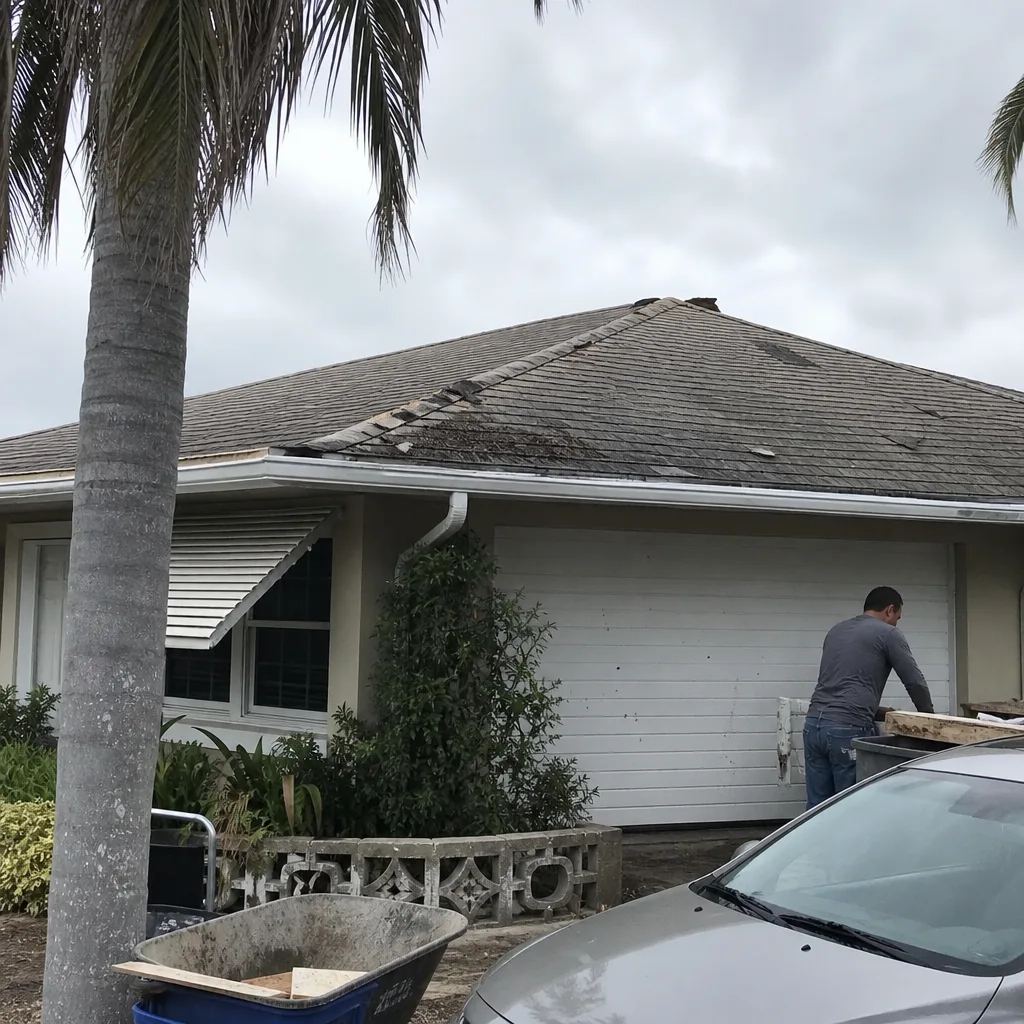 Before
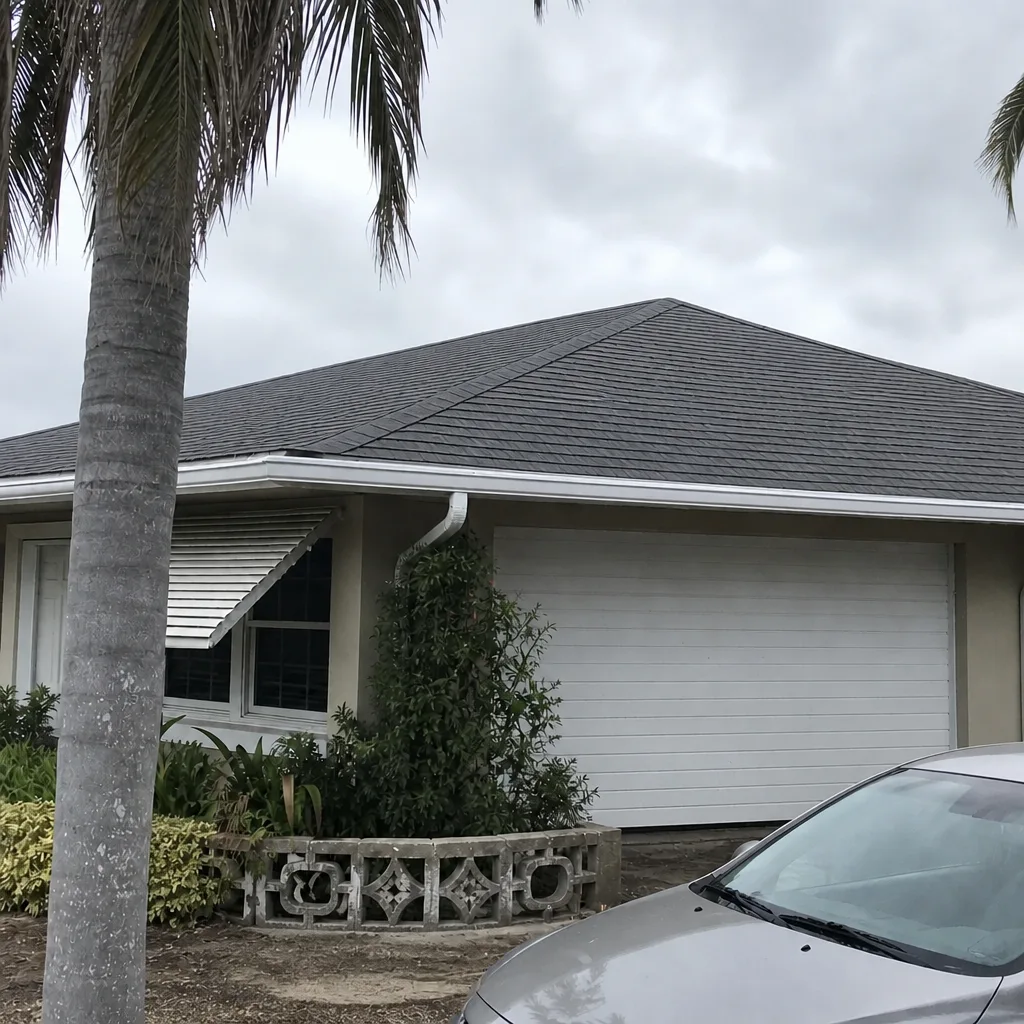 After
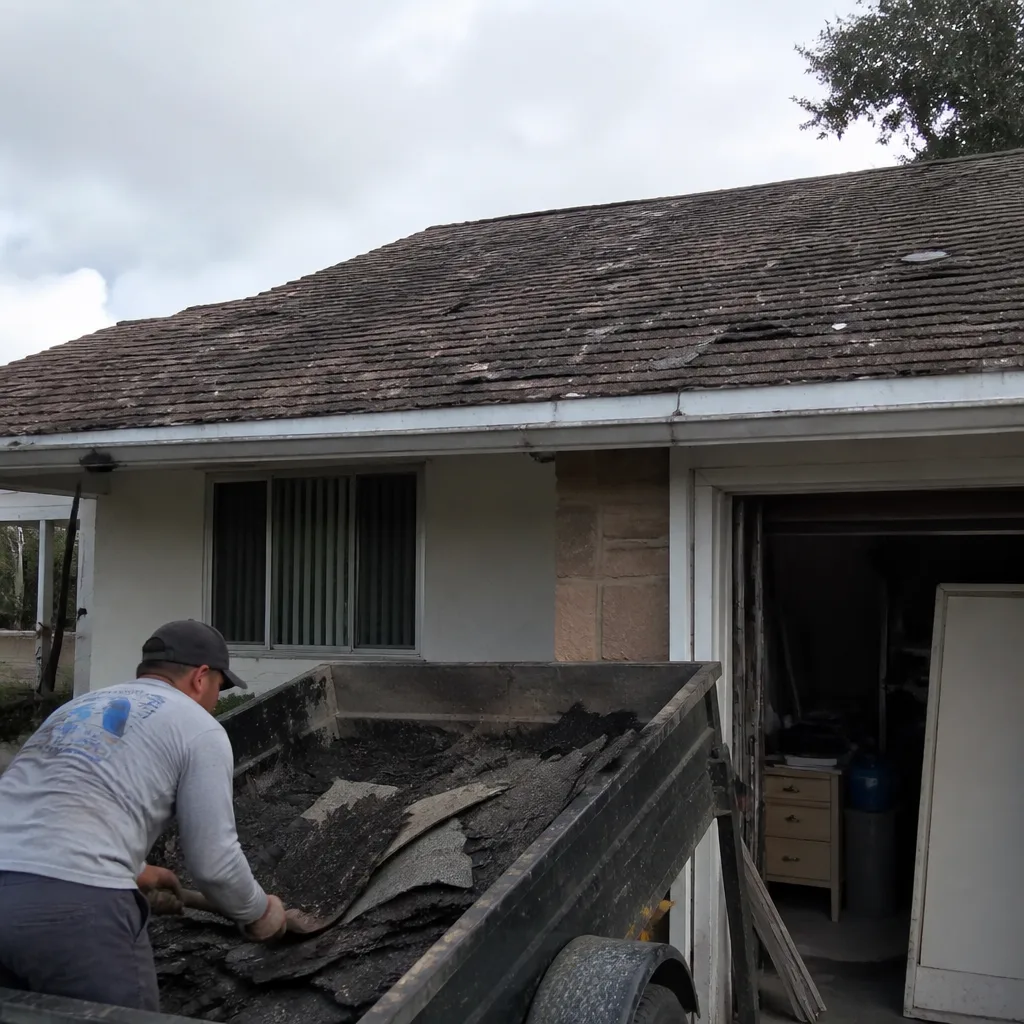 Before
 After
 Before
 After
When to Call a Professional
Call a licensed roofing professional in Pompano Beach when your roof is leaking, when you see missing or lifted shingles, when you notice soft spots in the sheathing, or when a storm has moved anything on the roof at all. Call before you commit to any work that touches more than minor patching – the permit question is easier to answer from an inspection report than from a contractor’s verbal assurance. If you’re buying or selling and you can’t find a permit record for the roof, call before closing. Rutherford Roof Repair offers free estimates in Pompano Beach – call (888) 361-4813. We answer 24/7. Fast dispatch from 7am to 7pm, Sunday through Friday. Our inspection is a no-commitment starting point; from there we tell you what the roof actually needs, whether that’s a targeted repair or a full replacement.
Frequently Asked Questions
Yes. A full roof replacement in Pompano Beach requires a building permit, and the work must meet the Florida Building Code’s High-Velocity Hurricane Zone provisions that apply in Broward County. The permit must be issued before work starts, the inspections must be called at each stage, and the permit must be closed at the end. Call (888) 361-4813 for a free estimate and we’ll walk you through the permit scope for your specific roof.
It depends on the scope. Small repairs – patching a section, resealing flashing, replacing a few shingles – usually don’t require a permit. Larger repairs that involve structural components, sheathing replacement, or significant roof area generally do. The 25% rule ties it all together: cumulative permitted roof work over 12 months against the total roof area determines whether the repair crosses into full-code territory. Call (888) 361-4813 and we’ll help you figure out where your job falls.
There’s no single number. The realistic options are a full tear-off and re-roof with permit (the cleanest and most expensive path), an after-the-fact permit with limited inspection (sometimes possible, sometimes not), or a negotiated credit at sale (the buyer takes the risk). The cheapest outcome is always the one where you permit the work correctly the first time. Call (888) 361-4813 for a free estimate and we’ll talk through what makes sense for your situation.
The wind mitigation credit depends on documentation. An inspector verifies features like roof-to-wall attachments, deck attachment pattern, secondary water barrier, and roof covering – and permit records are what support those claims in the report. Without a permit, you may lose the credit and the ongoing premium discount that comes with it. Call (888) 361-4813 for an inspection if you’re not sure whether your roof has the documentation it needs.
Your licensed roofing contractor pulls the permit under their license, not you. What you should verify is that the permit is actually issued in your property’s name before work starts, and that you receive a copy of the closed permit with the final inspection sign-off when the job is done. If a contractor asks you to pull the permit as the homeowner, that’s a red flag. Call (888) 361-4813 for a free estimate and we’ll handle the permit and inspections as part of the job.
The permit record surfaces at title search, and the buyer’s inspector will almost certainly identify the unpermitted work. The seller usually ends up paying for remediation – either before closing or as a price reduction – and the cost is almost always higher than pulling the permit up front. If you’re getting ready to sell a Pompano Beach home and aren’t sure about your roof’s permit history, call (888) 361-4813 for a free estimate.
The Bottom Line
In Pompano Beach, a roofing permit is not paperwork. It’s the mechanism that puts code-required hurricane-standard installation under an inspector’s eyes, and it’s the evidence trail your insurer reads when you claim a wind mitigation credit or file a storm claim. Skipping it costs less up front and more at the worst possible moment: a sale, a claim, or a storm. Pull the permit, call the inspections, keep the closed permit with your home records. If you’re not sure what your roof needs – repair or replacement – start with a free estimate from Rutherford Roof Repair. Call (888) 361-4813 and we’ll give you an honest read on the roof before we talk about price.
Written by the team at Rutherford Roof Repair.