
Last updated November 15, 2026
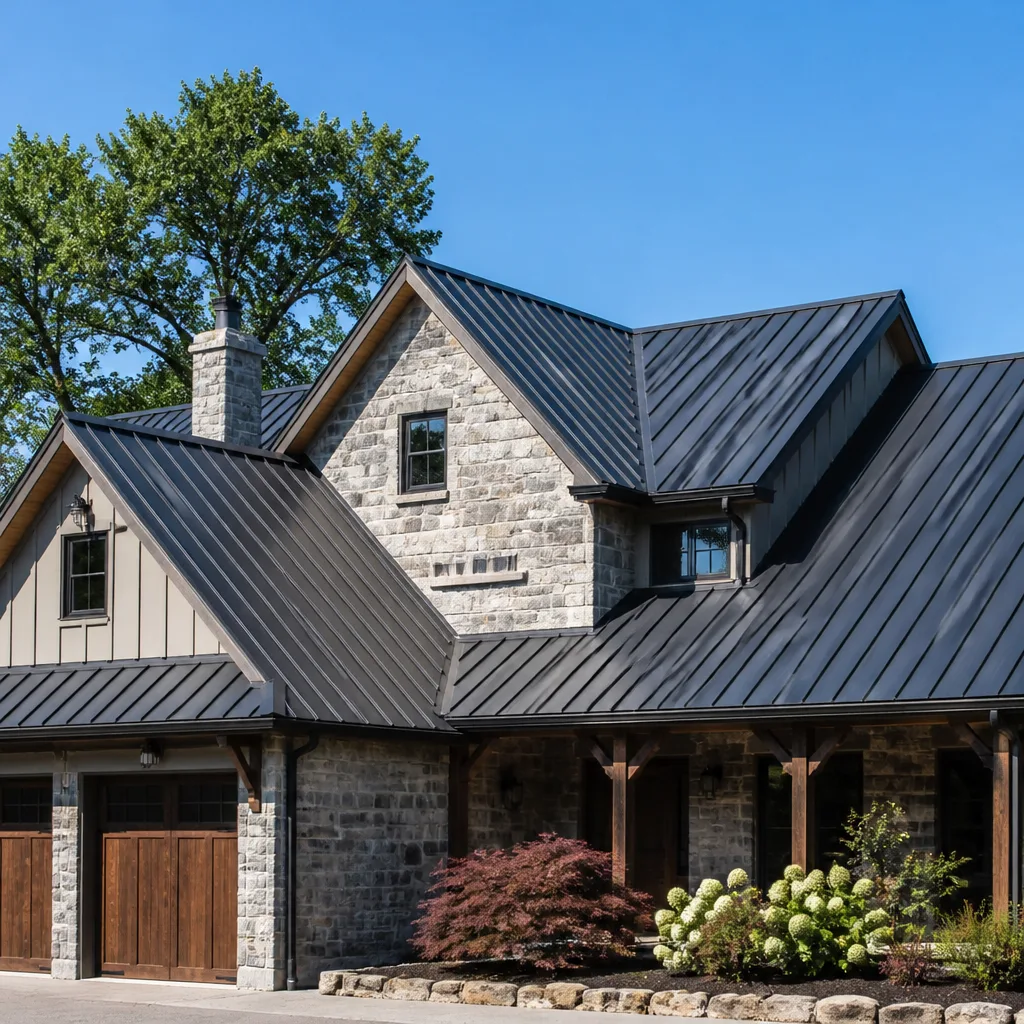 Metal roofing
 Architectural shingles
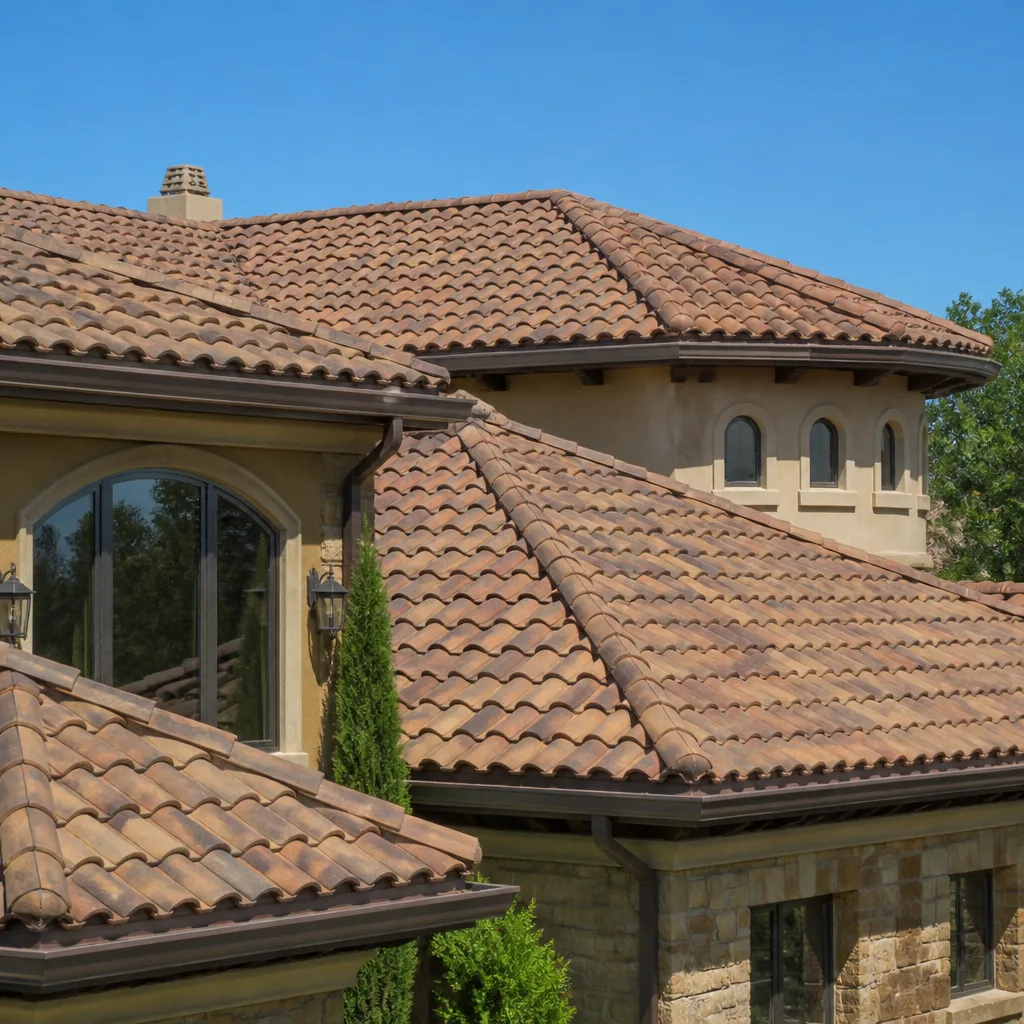 Tile roofing
 GAF
 Owens Corning
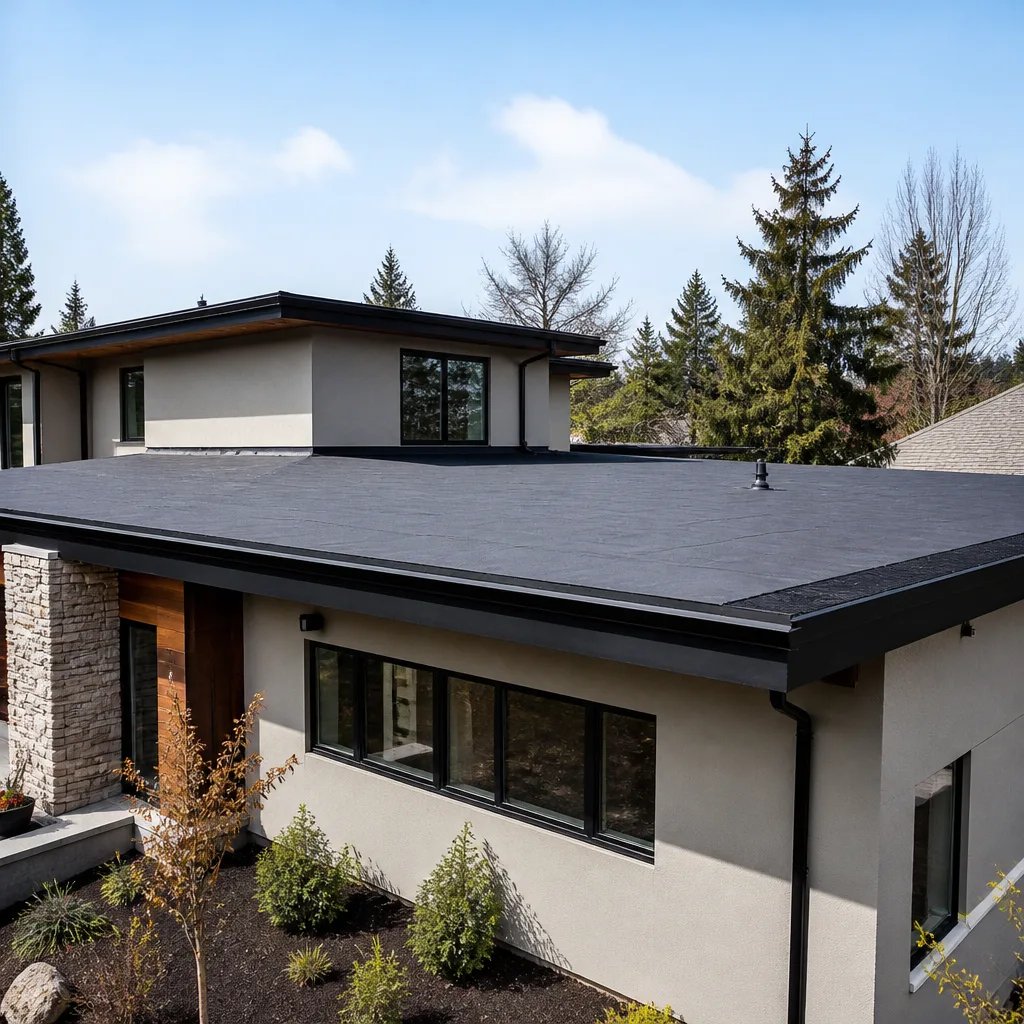 Flat & low-slope
Free roof inspection with deck photos before we talk money - GAF and Owens Corning certified installation
Seasonal Roofing Care for Pompano Beach: Year-Round Homeowner’s Guide
Most roof care advice you’ll find online is written for a climate with four distinct seasons, which is the first problem. Pompano Beach doesn’t get a gentle spring thaw or a leaf-change autumn. We get a dry season that lulls people into forgetting about their roofs, then a six-month stretch where heat and heavy rain test every shingle and flashing detail, then a recovery period most homeowners skip entirely. If you follow a generic spring-summer-fall-winter calendar here, you’re doing the right tasks at the wrong time. This guide lays out the actual South Florida weather cycle and maps roof care to it, so you’re protecting your roof before the pressure hits rather than six weeks after.
Quick Answer
Roof care in Pompano Beach follows three seasons, not four: a dry-season prep window from roughly February through May, an active storm season from June through November, and a recovery period from December through January. The most valuable work you can do happens before June 1, because that’s when demand for inspections and repairs rises sharply and scheduling gets harder. Annual inspections timed to the dry season catch the wear that heat, rain, and organic debris cause the rest of the year.
Styles & brands we work with
- Architectural shingles
- Metal roofing
- Tile roofing
- GAF
- Owens Corning
- Flat & low-slope
Table of Contents
- Why Pompano Beach Has Three Roofing Seasons, Not Four
- The February – May Dry Season: Your Best Window for Repairs
- June – November: Active Storm Season Protocol
- The 48-Hour Window After a Storm
- How South Florida’s UV Index Changes Shingle Wear
- December – January: Dry-Season Recovery Tasks
- Metal Components and Seasonal Wear
- Common Mistakes to Avoid
- When to Call a Professional
- Frequently Asked Questions
Why Pompano Beach Has Three Roofing Seasons, Not Four
A roof in Minnesota spends part of the year frozen and part of it thawing out. A roof in Pompano Beach spends the whole year being cooked and soaked. That single difference changes everything about how you schedule maintenance. Northern roofs fail in slow motion during winter; roofs here fail through cumulative exposure to intense sun and repeated rain events, and the damage accumulates fastest during the wet months when water finds every small opening.
We see the pattern constantly. A homeowner notices a ceiling stain in August and assumes it happened overnight. In reality, the opening that let the water in likely formed months earlier, during the dry season, when nothing was pushing water against it. The dry months hide problems. The wet months expose them.
So the calendar here works like this:
- Prep season (February – May): Inspect, repair, reseal, document. Demand is lower and problems are easier to address.
- Active season (June – November): Monitor, protect, respond. The roof is under stress, so your job is to prevent secondary damage.
- Recovery season (December – January): Clean up, check what the season loosened, and gather documentation while it’s fresh.
Pompano Beach sits in a band of South Florida where summer rain arrives most afternoons and strong storms can form with little warning. That rhythm is why our Rutherford Roof Repair approach starts with inspection rather than a sales pitch: you can’t schedule meaningful care until you know what your specific roof is dealing with.
The February – May Dry Season: Your Best Window for Repairs
February through May is the single most useful stretch of the year for roof work in Pompano Beach, and it’s the one most homeowners waste. The weather is drier, the days are longer, and demand for roofing contractors hasn’t yet spiked. That combination means repairs get scheduled sooner, materials cure under better conditions, and you’re not competing with every other homeowner who suddenly remembered their roof exists.
Here’s what the dry season is good for:
- A full roof inspection. A trained eye can walk the roof, check flashing, look at the condition of shingles or tile, and identify problems still in the early stage.
- Targeted repairs. Lifted shingles, cracked sealant, loose flashing, and small penetrations around vents and pipes are all easier to fix before the rain arrives.
- Resealing and re-caulking. Sealant around flashing and penetrations degrades in the sun. Renewing it in the dry months gives it the best chance of holding through the wet ones.
- Wind mitigation and documentation. Gathering photos, records, and a written condition report before storm season makes any future insurance conversation easier.
- Planning for replacement if it’s genuinely needed. If your roof is near the end of its life, the dry season is when a replacement can be scheduled with the fewest weather interruptions.
We can’t overstate the timing point. Once the first named storm appears on the news, the phones light up across Broward County and every qualified contractor gets booked out. Homeowners who schedule their roof repair during the dry window are working with the calendar instead of against it. Your roof may need less than you think, and the dry season is the fairest time to find out before any pressure enters the conversation.
June – November: Active Storm Season Protocol
Once June arrives, your relationship with the roof shifts from maintenance to monitoring. You can’t control the weather, but you can control how prepared you are, and that preparation breaks cleanly into three phases: before a storm watch, during the storm, and immediately after.
Before a storm watch
Do a quick walk-around before a watch becomes a warning. From the ground, look for anything obviously loose: lifted shingles, a sagging gutter, a piece of flashing that’s pulling away, or outdoor items that could become projectiles. Clear gutters and downspouts so water can drain. Secure loose patio furniture and anything else wind could lift. If you have photos of the roof from the dry season, you now have a baseline to compare against afterward.
During the storm
Stay inside and away from windows. Don’t go on the roof. Don’t stand in the attic with a flashlight looking for leaks while the storm is actively blowing, because conditions on a roof are genuinely dangerous during high wind and lightning, and no inspection is worth that risk. If water appears inside, move valuables, place a bucket, and note where it entered so you can point to it later. That note is your most useful diagnostic tool in the coming days.
The 48-hour window after
The period right after a storm is when secondary damage either happens or gets prevented. Water that got in during the blow can sit in attic insulation, soak drywall, and start causing problems that cost far more than the original roof issue. Within the first day or two:
- Check ceilings and walls for new stains or bubbling paint.
- Look for granules from asphalt shingles collecting at downspout outlets.
- Walk the yard for pieces of shingle, flashing, or fasteners that came loose.
- Take dated photos of anything you find.
- Call for an inspection if anything looks off, even if nothing is leaking yet.
Timing matters here. A small opening is cheap to close. A small opening that’s been letting water into the structure for weeks is a different job entirely. We answer 24/7, and fast dispatch runs 7am to 7pm, Sunday through Friday, so you’re not stuck waiting once the storm passes.
The 48-Hour Window After a Storm
The 48 hours following a storm are the most consequential stretch of the active season for preventing secondary water damage. Most of the expensive damage we see after major weather isn’t from the wind itself. It’s from water that got past a damaged detail and sat in the structure while the homeowner waited to see if the leak would reappear.
Here’s the sequence that protects you:
- Hour 0 – 6: Observe and document. Note interior water entry points, take photos inside and out, and check gutters for granule loss or debris.
- Hour 6 – 24: Inspect from the ground. Look for lifted or missing shingles, damaged flashing, and any penetration that looks different than you remember.
- Hour 24 – 48: Get a professional assessment. If anything looks questionable, schedule an inspection. It’s a no-commitment diagnostic step, not a sales call, and it’s the cheapest way to find out whether you’re dealing with a small fix or something bigger.
A roof that survived a storm without visible damage still deserves a look if it’s more than a few years old, because the stress of wind and rain can loosen fasteners and sealants in ways that only show up on the next big rain. If you’re near the Pompano Beach area and the timing feels uncertain, a quick inspection resolves it.
How South Florida’s UV Index Changes Shingle Wear
This is the part of roof care that most generic guides get wrong, and it’s worth understanding because it directly affects when you should inspect. UV exposure across South Florida runs high most of the year, consistently higher than the national average. Asphalt shingles degrade from UV the same way most materials do: the sun breaks down the compounds that give shingles flexibility, the surface granules loosen and wash away, and the mat underneath becomes more brittle and less able to shed water.
In a northern climate, that process is slowed for months by cold and snow cover. Here, the sun works on the roof nearly year-round. What that means practically:
- Shingles in Pompano Beach can show surface wear earlier in their service life than the same product installed further north.
- Granule loss is a slow, cumulative process, so annual inspections catch it at manageable stages rather than after a leak.
- Colors matter: darker roofs absorb more heat, which accelerates the aging of the shingle surface and the sealant strips.
- Sealant and caulk around flashing and penetrations break down faster under sustained UV, so those details deserve a check every year, not every few.
None of this means a Pompano Beach roof can’t last well. It means the inspection rhythm needs to be annual and timed to the dry season, when a technician can actually see and address wear before the rain tests it. When replacement does become the right answer, material choice matters, and we work with brands like GAF, Atlas, and Tamko so the recommendation is matched to your roof and budget rather than to a single product line.
December – January: Dry-Season Recovery Tasks
Once the active season winds down, there’s a recovery period most homeowners skip entirely. December and January are when you catch up on what the wet months did. This isn’t about major work; it’s about the small things that determine whether the next dry season starts clean or already behind.
Priority tasks for the recovery window:
- Post-season flashing check. Flashing around chimneys, vents, skylights, and roof-to-wall transitions is the most common failure point. It needs a look after months of rain and wind have worked against it.
- Clear organic debris. Leaves, twigs, and the general accumulation that South Florida trees drop hold moisture against the roof deck. In a humid climate, debris sitting on a roof is a slow-motion problem, and it’s the kind of thing you can’t see from the ground.
- Document everything. Take photos, keep any inspection reports, and note any repairs done during the season. If you ever need to work with your insurer, this documentation is what makes the conversation go smoothly.
- Check gutters and downspouts. Clear them and confirm they’re moving water away from the roof edge, not pooling it there.
- Look at the attic. Any staining on the underside of the roof deck or insulation that looks wet deserves attention before it becomes a bigger issue.
Doing these tasks in December and January sets up the February – May prep window ahead of you, and the whole cycle runs cleaner as a result.
Metal Components and Seasonal Wear
Metal components on a roof don’t get the attention the shingles do, but they’re often where seasonal wear shows first. Fasteners, flashing, vent boots, and metal edge trim all experience the same sun, rain, and humidity that the roof surface does, and they age in ways that are easy to miss when you’re looking at the shingles.
What a careful inspection should check on the metal side:
- Fastener condition. Fasteners can loosen or begin to corrode over years of exposure. A backing-out fastener can make a pinhole that lets water in.
- Flashing seals. The sealant joint around metal flashing is the most UV-exposed seam on the roof. When it cracks, water goes straight to the deck.
- Vent boots. The rubber or plastic collar around a plumbing vent degrades in the sun, and when it cracks, it’s a slow leak that shows up months later.
- Metal edge and drip trim. These are the pieces that direct water off the roof edge. When they pull loose or bend, water gets behind them.
- Gutter attachments. Loose hangers allow gutters to sag and pool water against the fascia.
This is the kind of detail that separates a real inspection from a quick walk around the roof looking at shingles only. Our technicians have up to 9 years of experience, and the metal details are routinely where they find the problem the homeowner hadn’t noticed yet.
Common Mistakes to Avoid
- Waiting until a storm is named to call. Demand spikes dramatically once a system is in the forecast, and good contractors get booked quickly. The best time was the dry season; the second best time is now, before the next storm.
- Assuming a ceiling stain showed up overnight. Water usually enters through an opening that’s been there weeks or months. Treat the stain as evidence of an older problem, not a new one.
- Skipping the post-storm inspection because nothing is leaking. Wind and rain stress the whole roof, not just the visible areas. An inspection that finds a loose fastener before it becomes a leak is money well spent.
- Letting organic debris sit on the roof through the wet season. In South Florida’s humidity, leaves and twigs hold moisture against the deck for weeks. A yearly clear-out is one of the highest-value things you can do.
- Ignoring metal details because the shingles look fine. Flashing, vents, and fasteners are where most leaks begin. A shingle-focused inspection misses them.
- Accepting a replacement recommendation without an inspection that documents the reasoning. A free inspection that identifies what needs fixing, what can wait, and what’s actually failing is the foundation of an honest decision. If a contractor goes straight to replacement without that, ask why.
- Skipping documentation during the recovery window. Photos, reports, and repair records from December and January make every future insurance and maintenance conversation easier.
When to Call a Professional
Some roof issues are clearly beyond a homeowner’s reach, and it helps to know where that line is before you need it. Call a professional when you see water staining on ceilings or walls, when shingles are visibly missing or lifted, when flashing looks separated from the surface, when a storm has passed and you’re not sure what it did, when your roof is near the end of its expected life and you want an honest assessment, or when you’re planning to sell and need documentation. A trained technician can assess the roof safely and tell you what actually needs work and what can wait.
Rutherford Roof Repair offers free estimates in Pompano Beach. Call (888) 361-4813. We answer 24/7. Fast dispatch from 7am to 7pm, Sunday through Friday. The written estimate sets the final price, and inspection is a legitimate diagnostic step: sometimes the answer is that your roof needs less than you think.
Frequently Asked Questions
February through May is the best window for roof repair in Pompano Beach. The dry season offers more reliable weather for repairs and resealing, and contractor demand hasn’t yet spiked ahead of hurricane season. That means faster scheduling and more stable working conditions. Call (888) 361-4813 for a free estimate and a scheduling conversation. We answer 24/7, with fast dispatch from 7am to 7pm, Sunday through Friday.
Once a year, ideally during the dry season. The annual rhythm is most useful in a Pompano Beach climate because UV exposure and heavy rain work on the roof year-round, and an annual inspection catches wear while it’s still small. A post-storm inspection is also worth scheduling after any significant weather event, even if you don’t see a leak. Call (888) 361-4813 to schedule a free inspection.
Yes, because leaks are the last symptom, not the first. Wind-stressed fasteners, cracked flashing sealant, and degraded vent boots can all sit on a roof for months before water finds its way inside. An inspection is a no-commitment diagnostic step and the cheapest way to find out where your roof stands. Call (888) 361-4813. We answer 24/7.
Document what you see. Check ceilings and walls for stains, walk the yard for debris and shingle pieces, and take dated photos of anything that looks off. Then schedule an inspection if anything is questionable. The first 48 hours are when secondary water damage is prevented, and a quick assessment now is far cheaper than repairing soaked insulation and drywall later. Call (888) 361-4813 with questions.
Because it’s under nearly year-round UV exposure. South Florida’s UV index runs consistently higher than the national average, so asphalt shingles lose surface granules and flexibility faster than the same product would in a cooler climate. That’s why the annual inspection rhythm matters more here, not less. If your roof is older, a free inspection will tell you what’s holding up and what isn’t. Call (888) 361-4813.
No. The written estimate sets the final price, and it’s built from a real inspection of your roof. We can’t quote work we haven’t seen accurately, so the inspection comes first and the written estimate follows. That protects you from surprises and it lets us recommend repair where repair will genuinely do the job, rather than defaulting to replacement. Call (888) 361-4813 for a free estimate. If replacement turns out to be the right answer, we have access to materials from brands like GAF, CertainTeed, Owens Corning, and Boral, so the recommendation can match the roof and your budget rather than a single supplier.
The Bottom Line
Pompano Beach roof care works on three seasons, not four. The dry months from February through May are when you inspect, repair, reseal, and document. The active season from June through November is when you monitor, protect, and respond within the first critical hours after a storm. December and January are when you clean, flash-check, and gather records for the year ahead. The single most important thing you can do is schedule the dry-season inspection before hurricane-season demand builds, and the second is to treat an inspection as an honest diagnostic step rather than a sales appointment. Your roof may need less than you think, and the right time to find out is before the calendar forces the decision.
For repair-first service across Pompano Beach, call Rutherford Roof Repair at (888) 361-4813 to schedule a free estimate. We answer 24/7. Fast dispatch from 7am to 7pm, Sunday through Friday.
Written by the team at Rutherford Roof Repair.
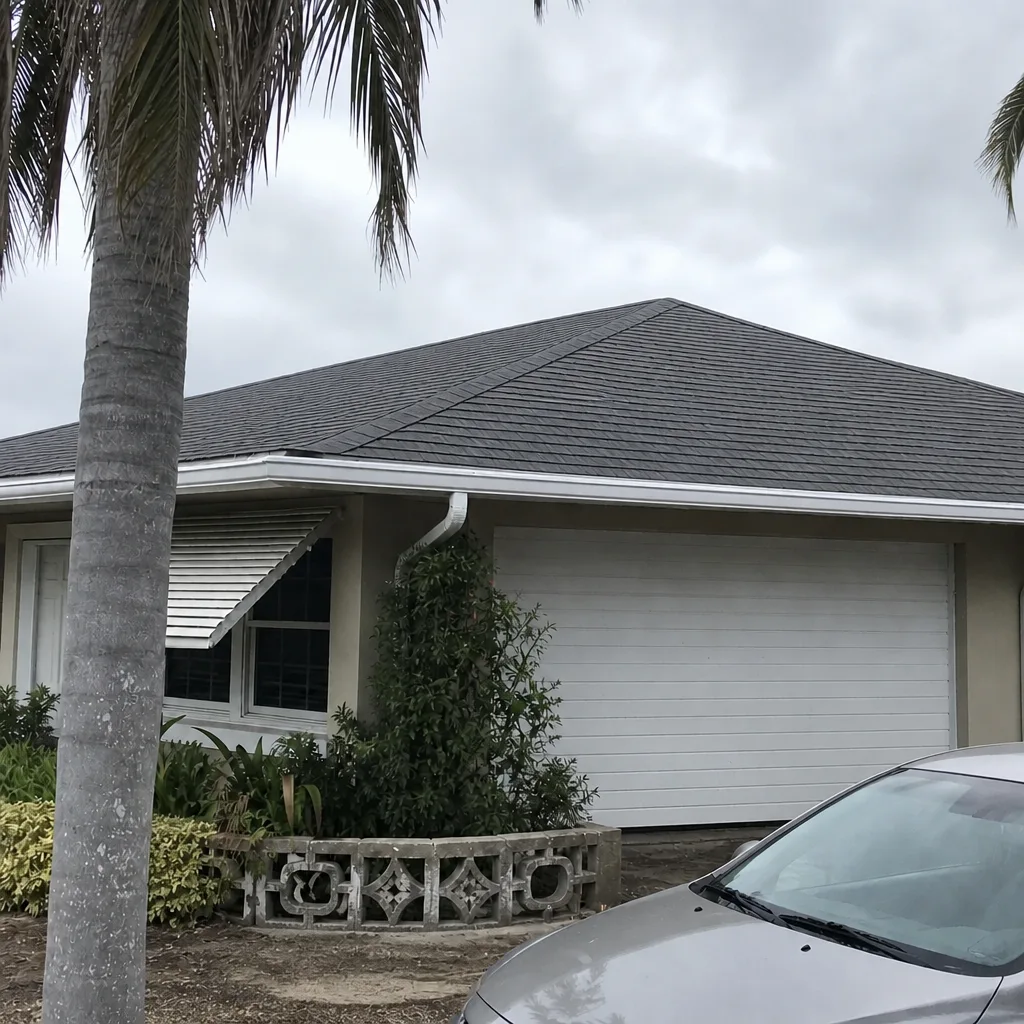
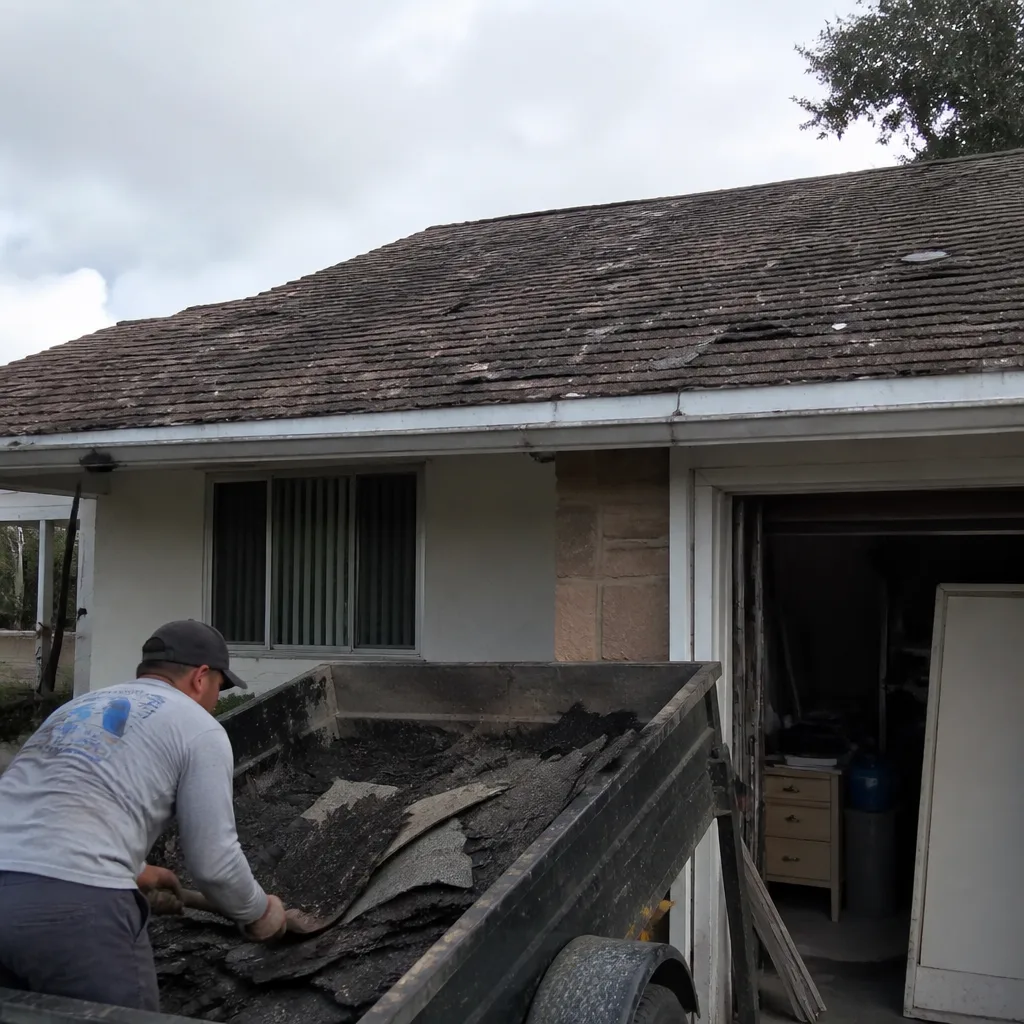
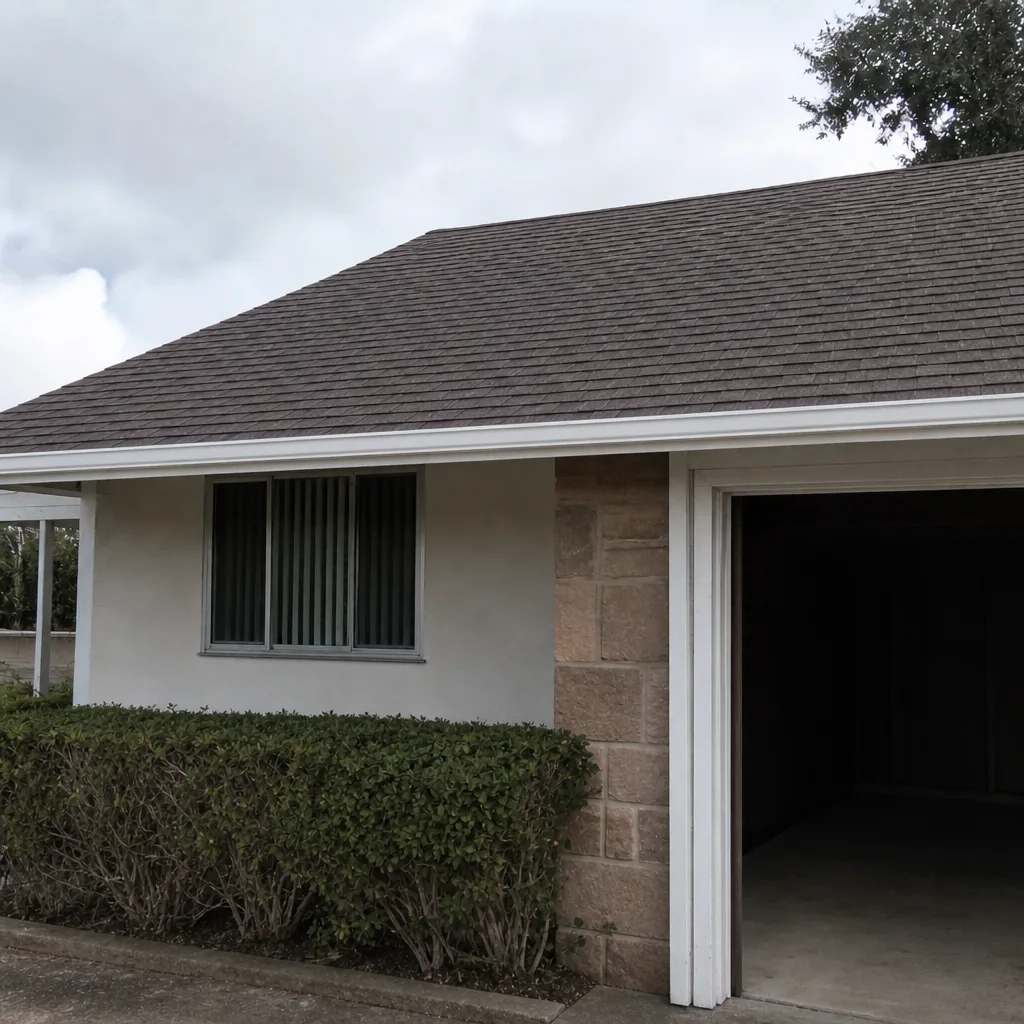
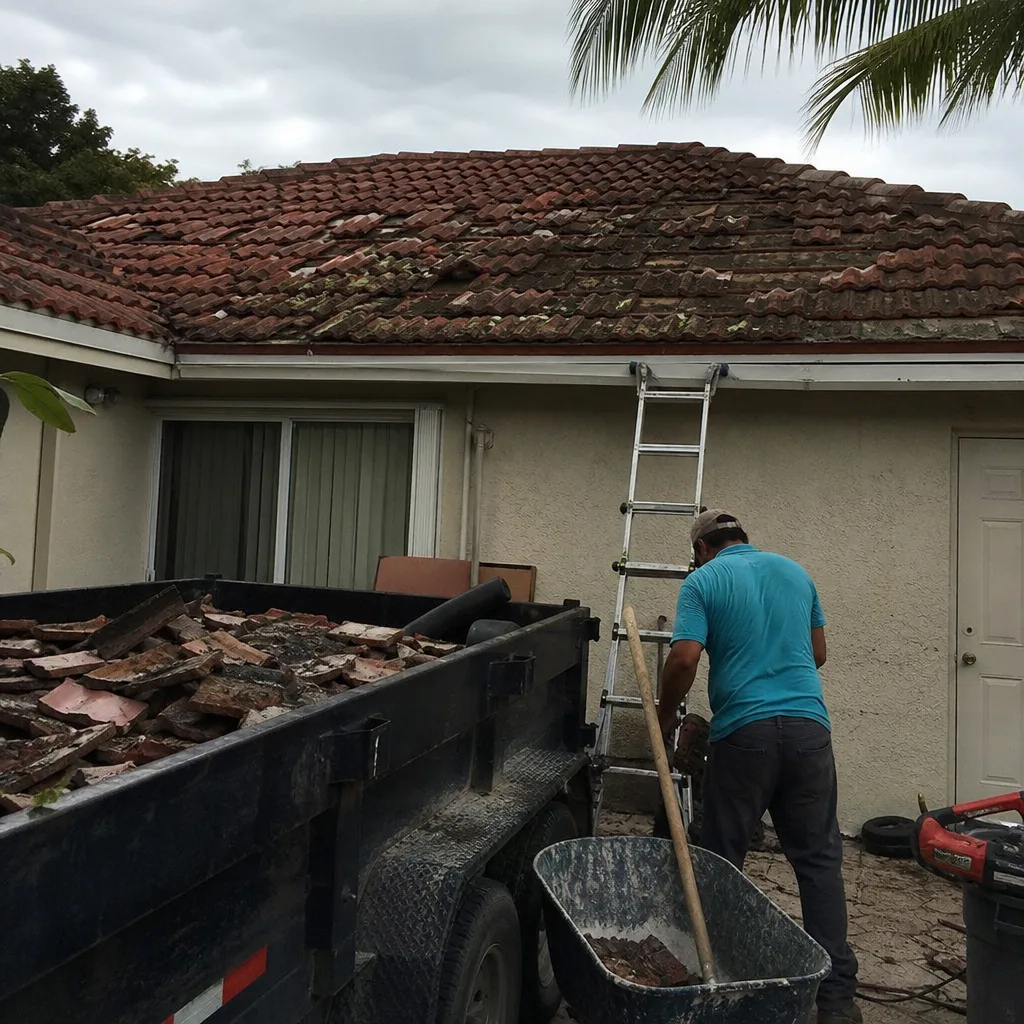
See the difference
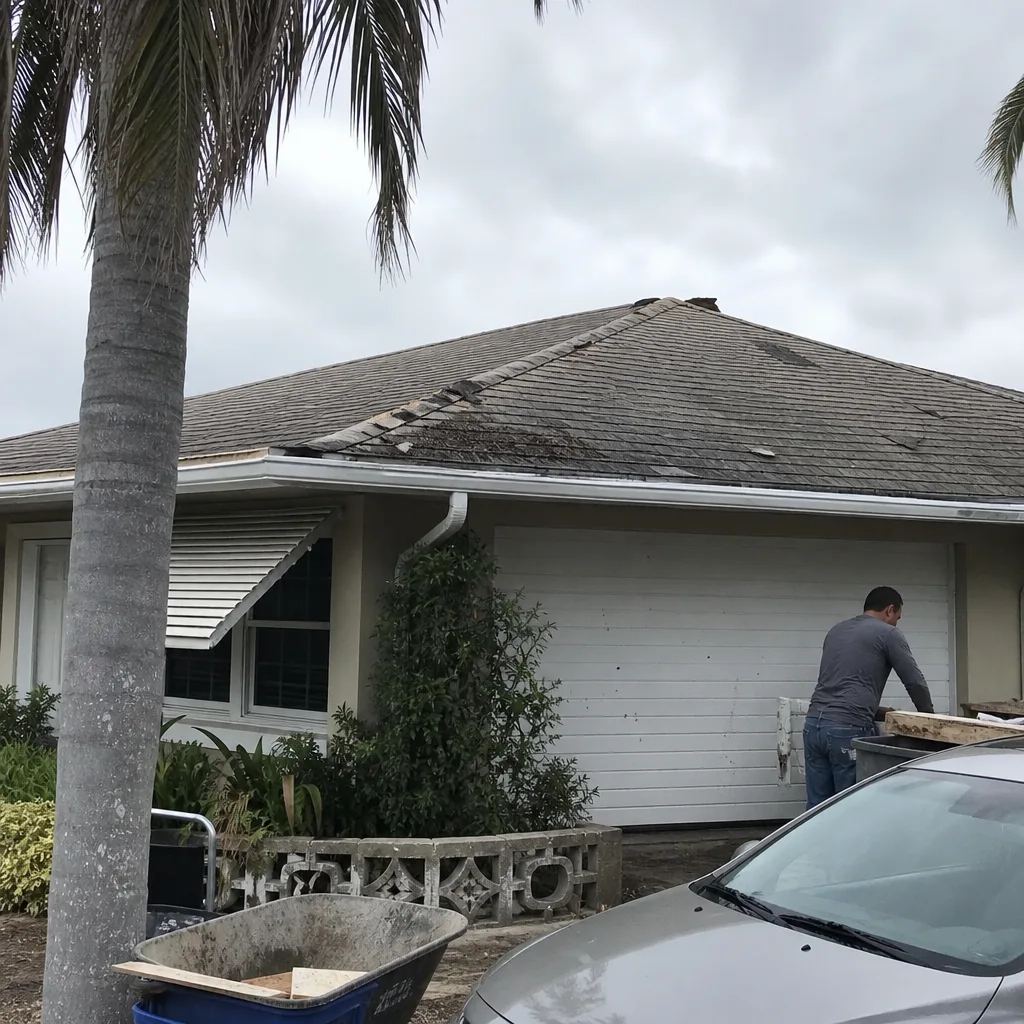 Before
 After
 Before
 After
 Before
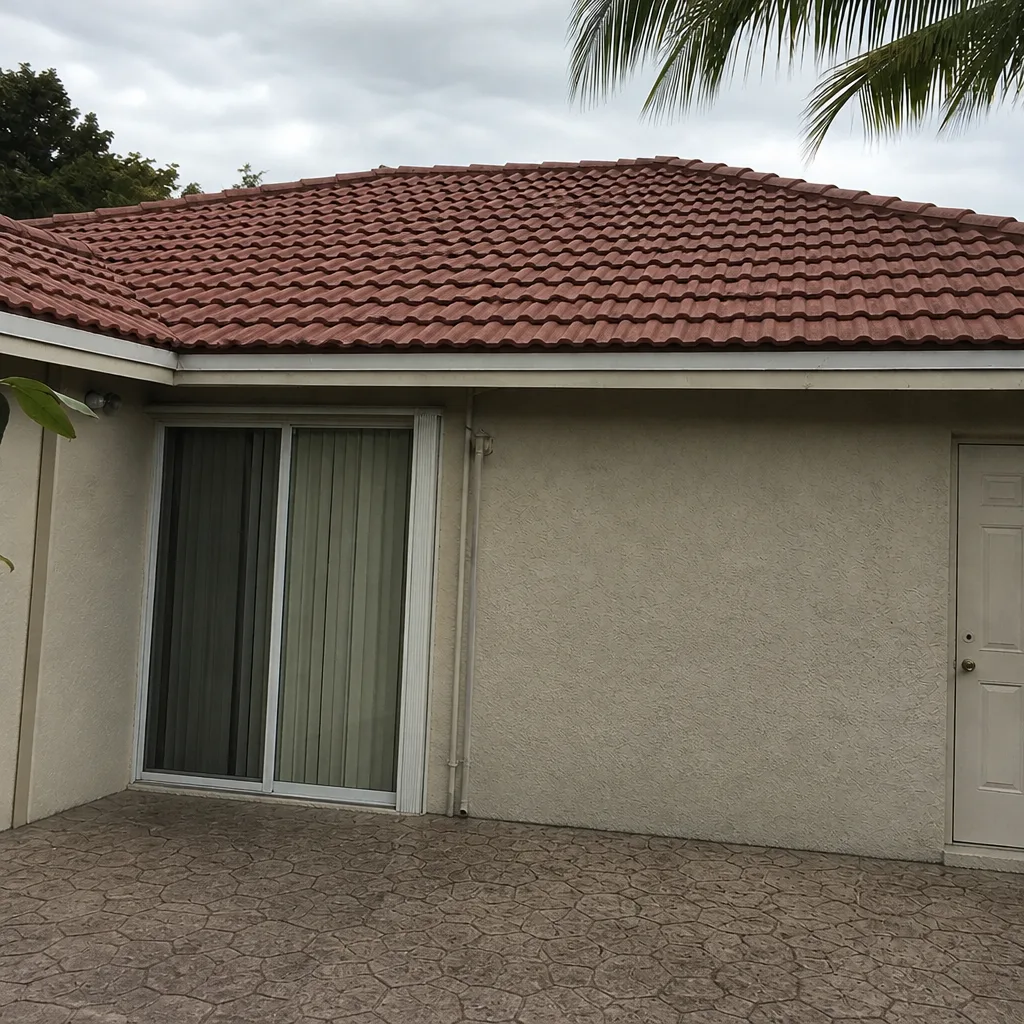 After